

Choosing the right clothes for work can feel confusing. What looks professional in one office might seem too formal or too casual in another. This guide to business attire will help you understand exactly what to wear for different workplace situations. Whether you’re starting your first job, preparing for an interview, or just want to upgrade your work wardrobe, you’ll learn how to dress confidently and make a great impression.
Why Business Attire Matters
The clothes you wear to work send a message before you even speak. They show that you respect your job, understand your workplace culture, and take your professional responsibilities seriously. When you dress appropriately, you feel more confident, and others see you as capable and trustworthy.
Different jobs require different styles of dress. A software developer at a startup might wear jeans and sneakers every day, while a lawyer meeting with clients needs to wear a formal suit. Understanding these differences helps you fit in and succeed in your career.
The Main Types of Business Attire
Let’s break down the seven most common dress codes you’ll encounter in professional settings.
1. Casual Workwear
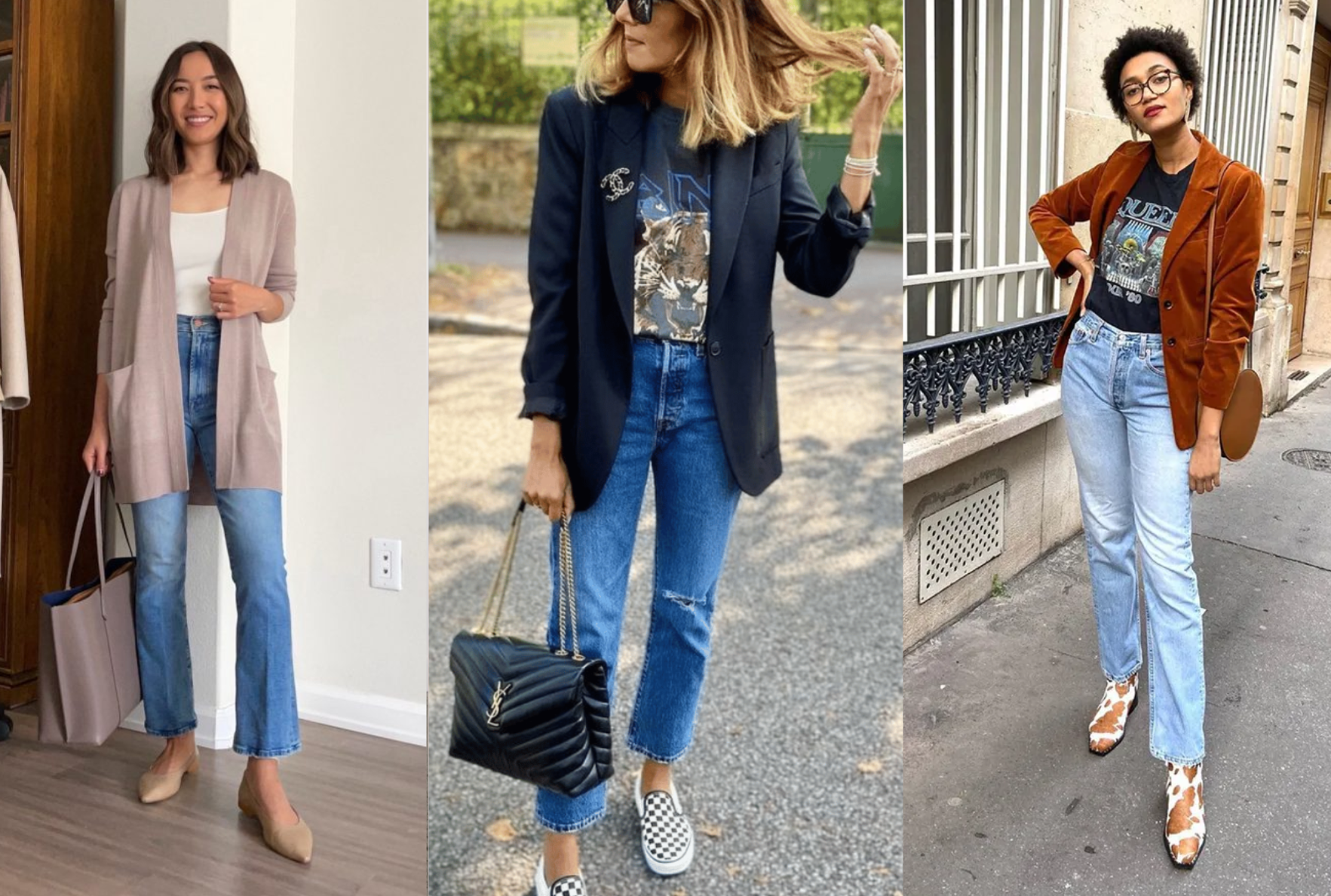
Casual workwear is the most relaxed style of professional dress. You’ll find this dress code at tech companies, startups, creative agencies, and other workplaces with a laid-back culture. The focus is on being comfortable while still looking neat and put-together.
What Men Can Wear:
- Clean, well-fitting jeans or chinos
- Casual button-down shirts or polos
- Clean sneakers, loafers, or casual leather shoes
- Simple accessories like watches
What Women Can Wear:
- Jeans, casual pants, or comfortable skirts
- Blouses, casual dresses, or nice t-shirts
- Flats, low heels, loafers, or clean sneakers
- Minimal jewelry and accessories
Important Note: Even in casual workplaces, avoid clothes with holes, stains, or wrinkles. Skip items like gym shorts, tank tops, flip-flops, or anything too revealing. The goal is to look relaxed but professional.
2. Business Casual

Business casual sits in the middle between casual and formal. It’s the most common dress code in American offices today. You need to look polished and professional, but you don’t need to wear a suit. This style works for most office jobs, client meetings that aren’t too formal, and everyday work in industries like education, healthcare, and many corporate environments.
What Men Can Wear:
- Khakis, chinos, or dress pants
- Collared shirts like button-downs or polos
- Sweaters or cardigans
- Leather loafers or dress shoes
- Optional: blazer or sport coat
What Women Can Wear:
- Dress pants, skirts (knee-length or longer), or nice jeans (depending on the office)
- Blouses, button-down shirts, or sweaters
- Cardigans or blazers
- Flats, low heels, or dressy boots
- Simple dresses or skirt-and-top combinations
Style Tips: Stick with solid colors or simple patterns. Avoid anything too bright, flashy, or casual. Think neat, comfortable, and professional.
3. Smart Casual
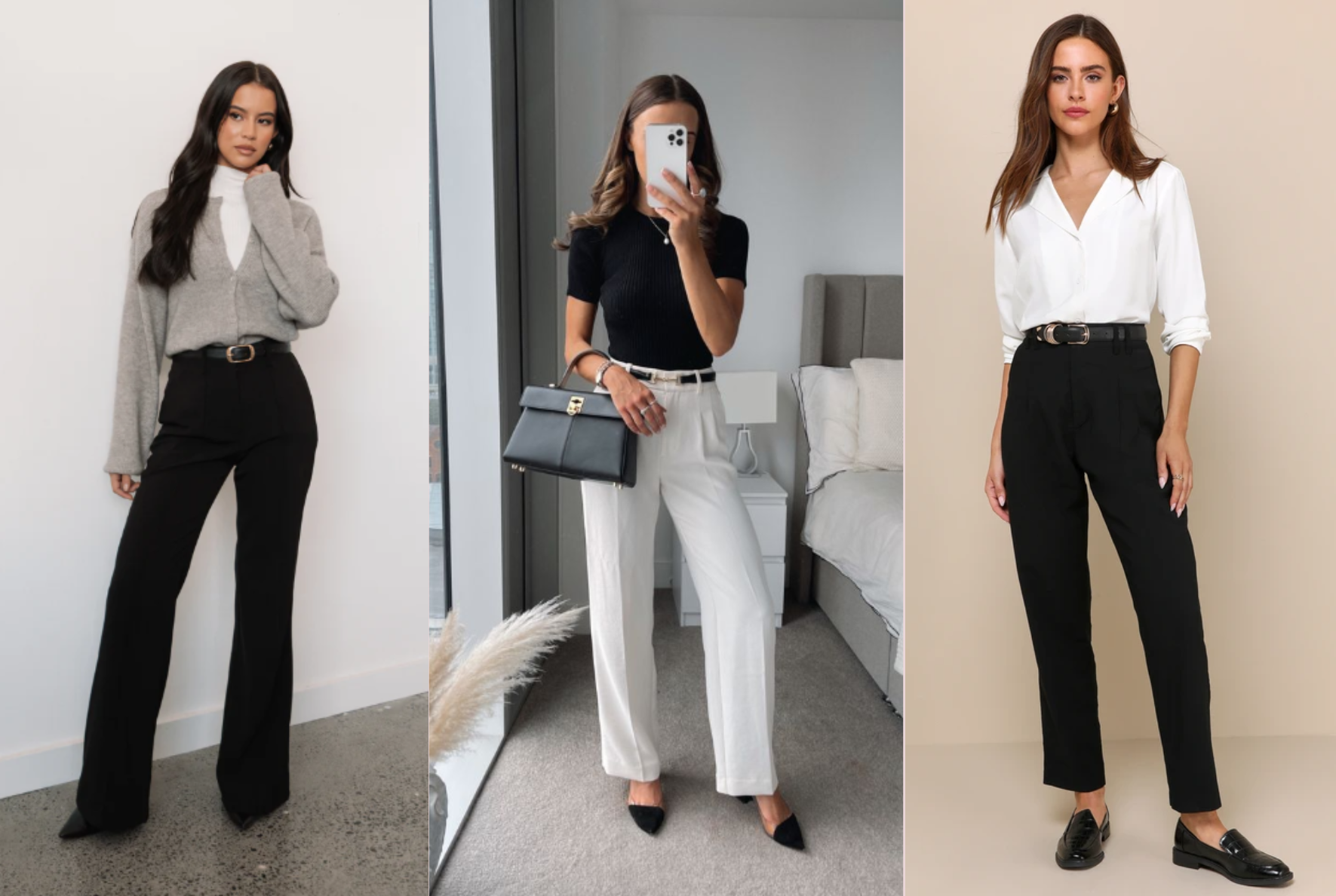
Smart casual is one step up from business casual. It combines professional pieces with personal style, creating a look that’s polished but not stiff. This dress code is popular in creative industries, tech offices, and for events like networking mixers or casual client dinners.
What Men Can Wear:
- Dark jeans or tailored pants
- Dress shirts or turtlenecks
- Blazers or sport coats
- Leather boots or dress shoes
- Optional: tie for a more polished look
What Women Can Wear:
- Tailored pants or midi skirts
- Blouses, silk tops, or nice sweaters
- Structured jackets or blazers
- Midi dresses or jumpsuits
- Heels, flats, or dressy boots
- Tasteful accessories like scarves or simple jewelry
The Key Difference: Smart casual allows for more fashion-forward choices than business casual. You can experiment with textures, patterns, and colors while still looking professional.
4. Business Professional
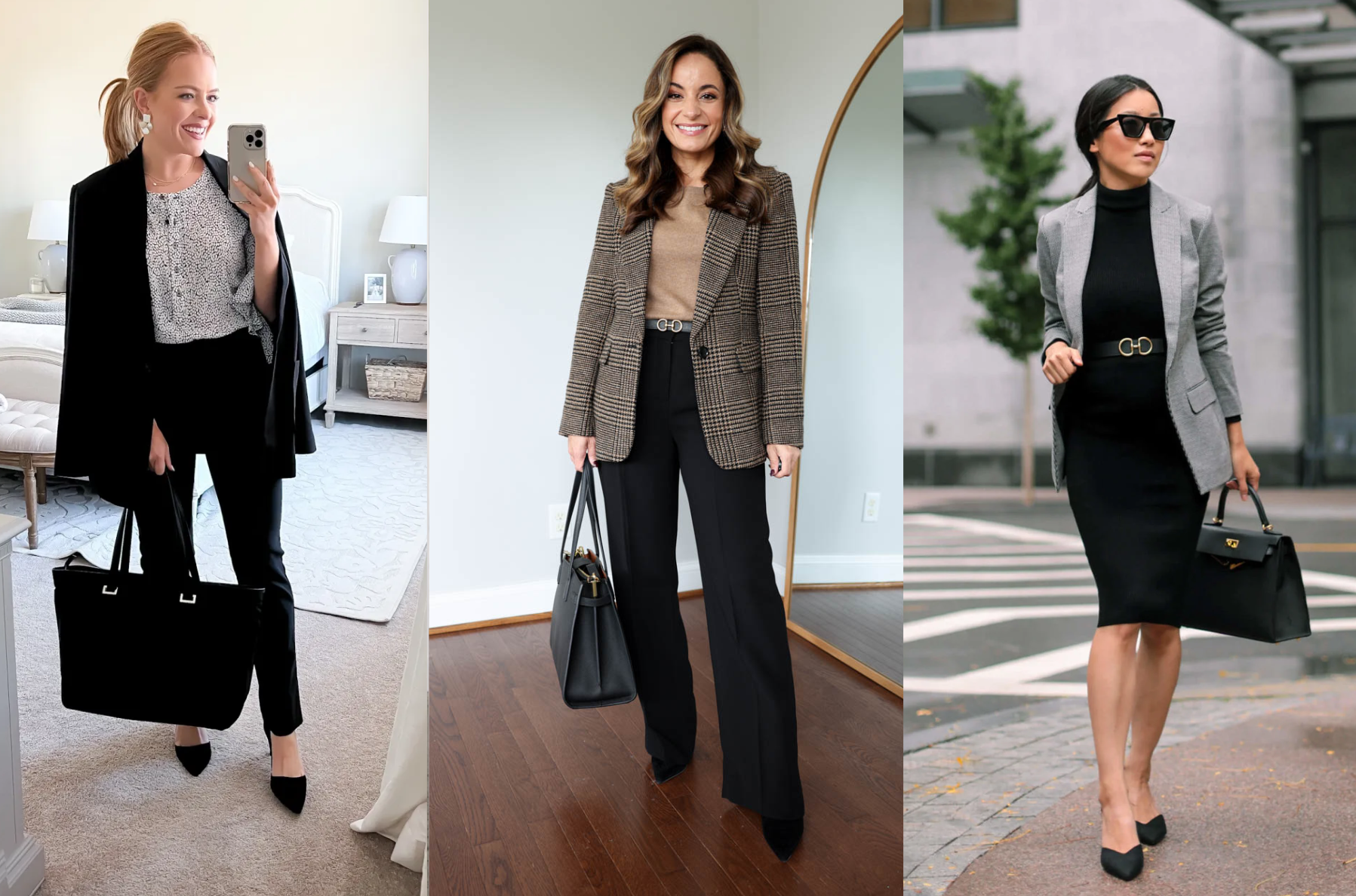
Business professional is serious and polished. This dress code is standard in corporate America, especially for roles involving client meetings, presentations, or management positions. It’s more flexible than business formal but still maintains a high level of professionalism.
What Men Can Wear:
- Tailored suits in navy, gray, or black
- Dress shirts (white or light blue work best)
- Conservative ties
- Leather dress shoes like Oxfords
- Matching belt
- Optional: cufflinks, nice watch
What Women Can Wear:
- Suit with pants or a skirt
- Blouses or silk tops
- Tailored dresses with blazers
- Closed-toe heels or flats
- Professional handbag or briefcase
- Minimal, classic jewelry
Remember: Business professional means you’re ready for any important meeting or presentation. Everything should be clean, pressed, and well-fitted.
5. Business Formal
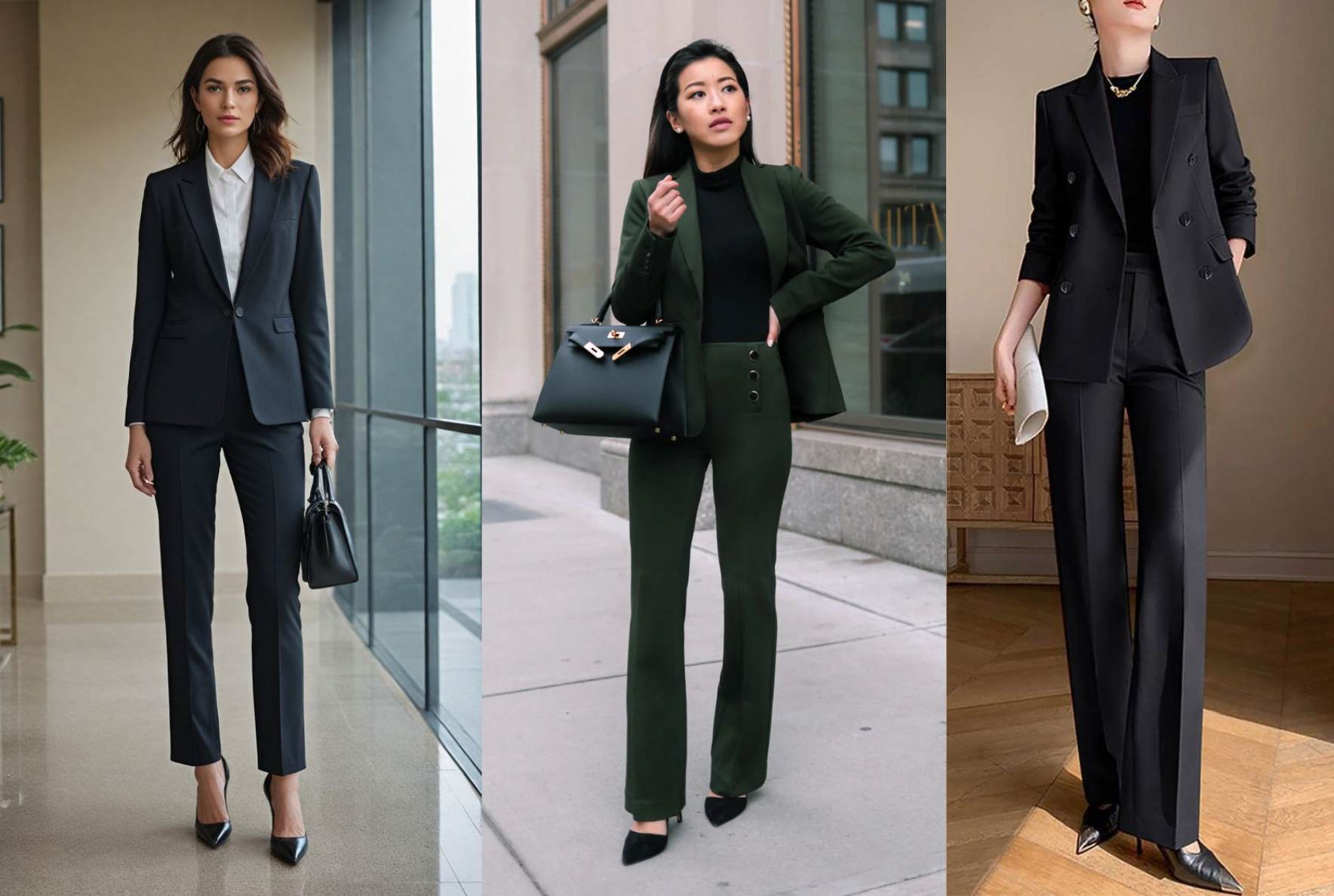
Business formal is the most traditional and conservative style. You’ll need this dress code if you work in law, finance, banking, or corporate leadership. It’s all about looking authoritative, credible, and extremely professional.
What Men Can Wear:
- Dark suit (navy, black, or charcoal)
- White or light blue dress shirt
- Conservative tie
- Polished leather dress shoes
- Matching leather belt
- Cufflinks and dress watch
What Women Can Wear:
- Tailored suit (pants or skirt)
- Conservative blouse
- Closed-toe heels
- Minimal jewelry
- Professional bag
Key Point: Business formal leaves no room for casual elements. Everything should be classic, timeless, and impeccably maintained.
6. Creative Business Attire
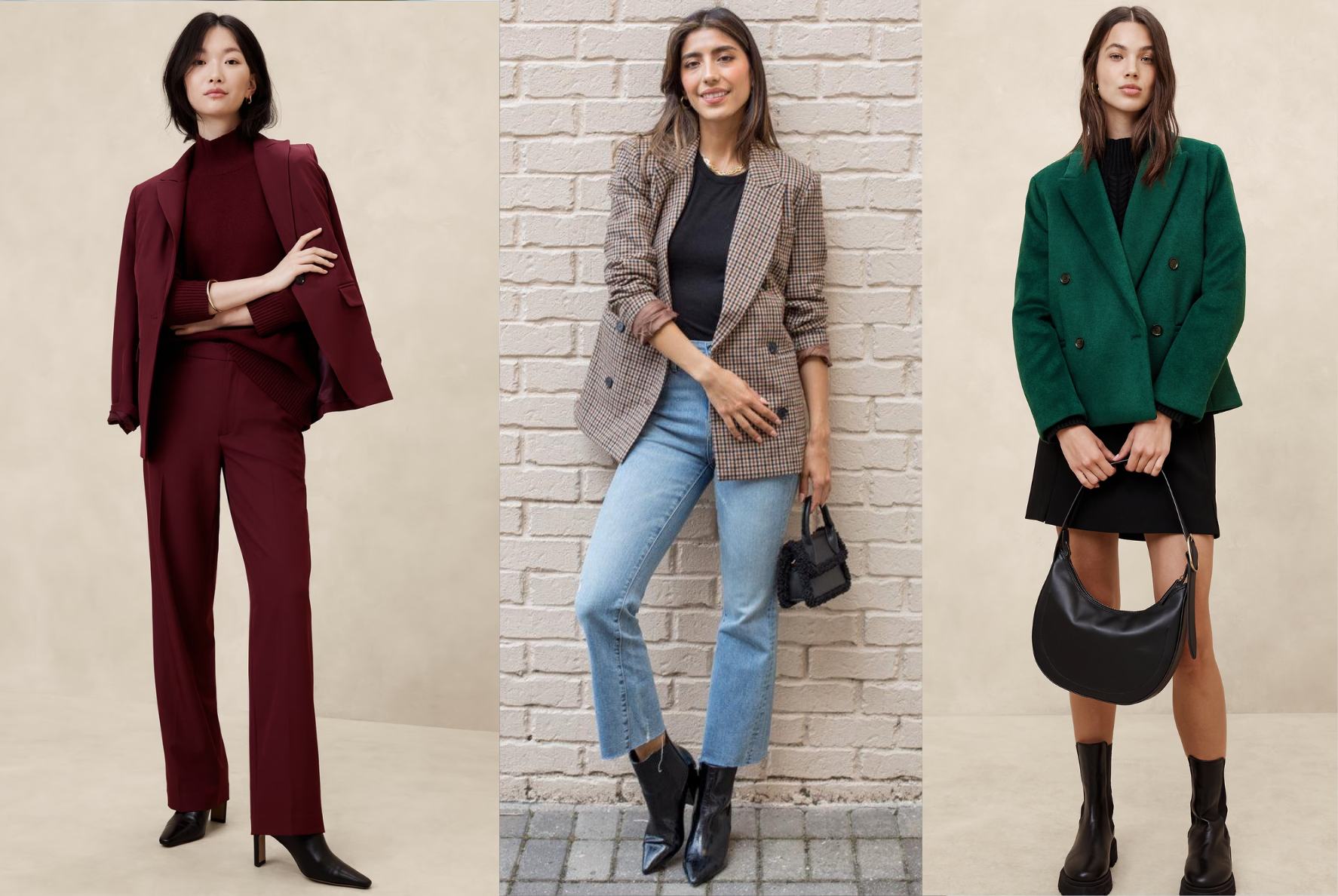
Creative business attire lets you show your personality while staying professional. This dress code is common in fashion, advertising, design, media, and entertainment. The goal is to look polished while expressing your creative side.
What Men Can Wear:
- Patterned blazers or unique jackets
- Colored or textured pants
- Interesting shirts or sweaters
- Statement accessories like bold ties or designer shoes
- Mixing textures like velvet, tweed, or leather
What Women Can Wear:
- Statement dresses with bold prints
- Colorful blouses and unique skirts
- Stylish jumpsuits
- Fashion-forward accessories
- Interesting shoes like colored heels or embellished flats
The Balance: You can be bold and expressive, but avoid anything too casual or messy. The outfit should still look intentional and put-together.
7. Semi-Formal

Semi-formal attire is what you wear to business events outside of regular work hours. Think company holiday parties, networking dinners, awards ceremonies, or professional conferences. It’s dressier than what you’d wear to the office but not as strict as business formal.
What Men Can Wear:
- Dress pants or nice chinos
- Button-down shirt
- Blazer or sport coat
- Dress shoes
- Optional: tie (depending on the event)
What Women Can Wear:
- Cocktail dress or dressy skirt and top
- Nice pants with a dressy blouse
- Heels or dressy flats
- Elegant jewelry
- Clutch or small handbag
Event Consideration: The formality can vary by event. When in doubt, dress slightly more formal than you think necessary.
Essential Tips for Building Your Work Wardrobe
Start with the Basics
Build your wardrobe around versatile pieces you can mix and match. For a business casual wardrobe, this might include:
- Two pairs of dress pants (one black, one navy or gray)
- Three to four tops or button-down shirts
- One blazer
- Two pairs of professional shoes
Fit Matters More Than Brand
A well-fitted, affordable shirt looks better than an expensive one that doesn’t fit right. Consider getting key pieces tailored. Even simple adjustments like hemming pants or taking in a waist can make a huge difference.
Invest in Quality Shoes
Shoes make or break a professional outfit. Invest in at least two pairs of quality work shoes and keep them clean and polished. Rotate between pairs so they last longer.
Keep Colors Simple
Build your wardrobe around neutral colors like black, navy, gray, and white. These colors are easy to mix and match and always look professional. Add small pops of color with accessories or accent pieces.
Maintain Your Clothes
Always keep your work clothes clean, pressed, and in good repair. A steamer or iron is essential. Fix loose buttons and small tears immediately. Take care of stains right away.
Consider Your Industry
Pay attention to what successful people in your field wear. Different industries have different standards. What works in advertising might not work in accounting.
Plan Ahead
Lay out your outfit the night before work. This saves time in the morning and ensures you’re never scrambling to find something appropriate.
Build a Capsule Wardrobe
Choose pieces that work together. When everything in your closet coordinates, getting dressed becomes much easier. This also means you need fewer clothes overall.
Seasonal Adjustments
Adapt your wardrobe for different seasons. Lightweight fabrics like cotton and linen work for summer. Wool and cashmere keep you warm in winter while still looking professional.
Common Mistakes to Avoid
Dressing Too Casually
Even in casual workplaces, there’s a limit. Avoid gym clothes, beach wear, or anything with offensive graphics or slogans.
Wearing Ill-Fitting Clothes
Clothes that are too tight, too loose, or too short look unprofessional. If you’re between sizes, choose the larger size and have it tailored.
Ignoring Grooming
Your appearance includes more than just clothes. Keep your hair neat, nails clean, and overall appearance tidy. Good grooming shows you pay attention to details.
Over-Accessorizing
Keep jewelry, belts, and other accessories simple and minimal. One or two quality pieces look better than wearing everything at once.
Forgetting About Shoes
Worn-out, dirty, or overly casual shoes ruin an otherwise professional outfit. Make sure your footwear matches your outfit’s formality level.
Wearing Wrinkled or Stained Clothes
This is an easy fix that makes a big difference. Always check your clothes before wearing them. A few minutes with an iron or steamer is worth it.
What to Wear for Specific Situations
Job Interviews
Always dress one level more formal than the company’s everyday dress code. If the office is business casual, wear business professional. If you’re not sure, a suit is always a safe choice.
First Day at a New Job
Match the dress code you observed during your interview or ask HR about the expectations. It’s better to be slightly overdressed on your first day.
Client Meetings
Dress to match or slightly exceed the formality level of your clients. This shows respect and professionalism.
Presentations
Wear business professional attire. You want your audience focused on your message, not your outfit.
Casual Fridays
Many offices relax their dress code on Fridays. This usually means you can wear jeans and more casual tops, but keep it neat and appropriate.
Understanding Your Workplace Culture
Observe and Adapt
During your first week at a new job, pay attention to what others wear. Notice what managers and successful colleagues choose. This gives you clues about unwritten dress code rules.
Ask When Unsure
If you’re not sure about the dress code, ask your manager or HR department. It’s better to ask than to show up inappropriately dressed.
Consider Your Role
If you work with clients, you may need to dress more formally than someone who works behind the scenes. Think about who sees you and adjust accordingly.
Building Confidence Through Dress
The right outfit does more than make you look good. It affects how you feel and how others perceive you. When you know you’re dressed appropriately, you can focus on your work instead of worrying about your appearance.
Start by understanding your workplace’s expectations. Then build a wardrobe that fits those needs while reflecting your personal style. Remember that professional dress isn’t about following rigid rules. It’s about showing respect for your job, your colleagues, and yourself.
Final Thoughts
Understanding business attire helps you navigate any professional situation with confidence. Whether you’re wearing jeans to a startup or a suit to a corporate office, the key is looking neat, appropriate, and put-together. Your clothes should help you succeed, not hold you back.
Use this guide to build a wardrobe that works for your career. Focus on quality basics, proper fit, and appropriate choices for your industry. With the right clothes and the confidence to wear them well, you’ll be ready for any professional opportunity that comes your way.
Frequently Asked Questions
What exactly is business attire?
Business attire refers to clothing that’s appropriate for professional workplace settings. The specific style varies by industry and company, but it generally includes items like suits, dress shirts, blouses, dress pants, skirts, and polished shoes.
How is business casual different from business formal?
Business formal requires tailored suits, dress shirts, and polished shoes for serious meetings and traditional industries. Business casual is more relaxed, allowing dress pants, collared shirts, and skirts without requiring a full suit. Both should look professional, but business casual offers more flexibility and comfort.
Can I wear jeans to work?
It depends on your workplace. In casual or business casual environments, dark jeans in good condition paired with a nice top might be acceptable. However, jeans are generally not appropriate for business professional or business formal settings. Check your company’s specific policy.
What should men wear for business formal occasions?
Men should wear a well-fitted dark suit (navy or charcoal), a dress shirt (white or light colored), a conservative tie, polished leather shoes, and a matching belt. Add subtle accessories like cufflinks or a watch for a complete look.
What should women wear for business formal occasions?
Women should wear a tailored suit (with pants or a skirt), a professional blouse, closed-toe heels or flats, and minimal jewelry. A structured handbag and conservative colors create a polished, professional appearance.
What colors should I avoid in business attire?
Avoid extremely bright, neon, or flashy colors in most professional settings. Stick with neutral tones like navy, black, gray, and beige as your base. In business casual environments, you can add more color, but keep it tasteful and not distracting.
What are the rules for accessories at work?
Keep accessories minimal and professional. Men might wear a watch or cufflinks. Women can wear simple jewelry like stud earrings, a delicate necklace, or a watch. Avoid large, flashy, or noisy accessories that could be distracting.
Can I wear casual shoes for business casual?
Yes, in business casual settings you can wear loafers, flats, or low-heeled shoes. However, avoid sneakers (unless explicitly allowed), flip-flops, or sandals. Choose polished, professional-looking footwear.
How should I dress for a job interview?
Dress one level more formal than the company’s normal dress code. If unsure, wearing a suit is always safe. First impressions matter, so it’s better to be slightly overdressed than underdressed.
What should I wear on Casual Friday?
Casual Friday typically allows jeans or casual pants with a polo or button-down shirt. Keep everything neat and avoid items like t-shirts, sneakers, or shorts unless your company explicitly allows them. Maintain a professional appearance even when dressing casually.
How do I know if my outfit is appropriate?
Check your company’s dress code policy or observe what colleagues in similar roles wear. Make sure clothes fit well, are clean, and wrinkle-free. When in doubt, dress more formally until you better understand the expectations.
What if I can’t afford an expensive work wardrobe?
Focus on a few high-quality basics that you can mix and match. Neutral colors make this easier. Thrift stores and sales can help you find professional clothes at lower prices. Fit matters more than brand names, so consider getting affordable pieces tailored.
You Might Also Enjoy:




 EA and Beyond