
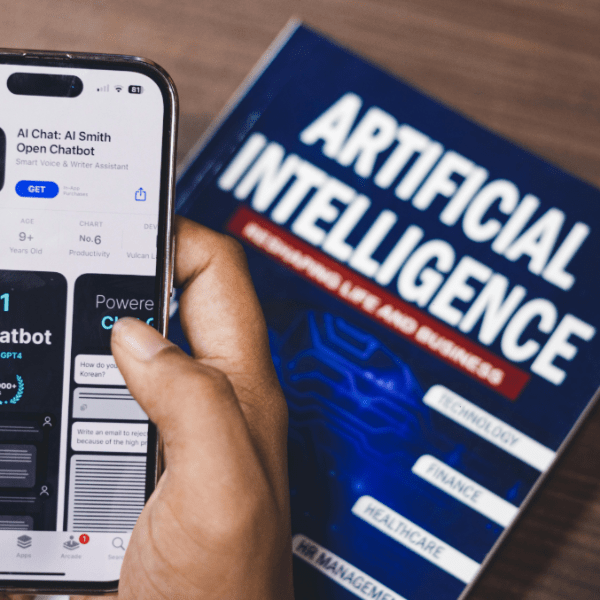
The buzz around Artificial Intelligence (AI) is undeniable. From self-driving cars to personalized recommendations, AI is rapidly reshaping our world. But beyond the headlines and the futuristic visions, there’s a practical truth emerging for the workforce: AI fluency isn’t just a desirable skill; it’s becoming a non-negotiable one. For employees looking to thrive in the future of work, understanding and leveraging AI isn’t an option – it’s a strategic imperative.
So, why is AI fluency so crucial, and why should every employee be actively cultivating this essential skill?
1. Enhanced Productivity
Imagine being able to automate repetitive tasks, analyze vast datasets in seconds, or even draft initial reports with remarkable speed. This isn’t science fiction; it’s the reality for employees who are fluent in AI. Tools powered by AI can act as intelligent co-pilots, freeing up valuable time from mundane activities and allowing you to focus on higher-value, strategic work.
- Content Generation & Augmentation: From crafting email subject lines to generating initial drafts of marketing copy or technical documentation, AI can kickstart your creative process and refine your output.
- Task Automation: AI can handle scheduling, data entry, content summarization, and more, significantly boosting individual and team efficiency.
- Data Analysis & Insights: No longer will sifting through endless spreadsheets be a bottleneck. AI can quickly identify patterns, predict trends, and provide actionable insights, empowering better decision-making.
2. Strategic Decision-Making
In an increasingly complex business landscape, informed decisions are paramount. AI provides an unprecedented ability to gather, process, and interpret data, offering a clearer picture of market trends, customer behavior, and operational efficiencies. An AI-fluent employee can harness these capabilities to:
- Identify Opportunities: Spot emerging market needs or untapped customer segments that might otherwise be overlooked.
- Mitigate Risks: Predict potential issues, understand their root causes, and develop proactive solutions.
- Optimize Strategies: Continuously refine marketing campaigns, product development, and operational processes based on real-time data and AI-driven recommendations.
3. Innovation and Problem Solving
AI isn’t just about doing existing tasks better; it’s about doing entirely new things. Employees with AI fluency are better equipped to identify opportunities for innovation within their roles and industries. They can:
- Develop New Solutions: Leverage AI tools to prototype ideas, simulate scenarios, and create novel approaches to long-standing problems.
- Personalize Experiences: Utilize AI to tailor products, services, and interactions to individual customer needs, driving stronger engagement and loyalty.
- Stay Ahead of the Curve: Understand how AI is transforming their industry and proactively adapt their skills and contributions to remain competitive.
4. Adaptability and Future-Proofing Your Career
The only constant in today’s professional world is change. Industries are evolving at an unprecedented pace, largely driven by technological advancements like AI. Employees who embrace AI fluency are demonstrating a critical trait: adaptability.
- Job Security: While some fear AI replacing jobs, the reality is that AI will augment human capabilities. Those who can effectively collaborate with AI will be in higher demand.
- New Roles & Opportunities: As AI technology matures, entirely new job roles are emerging. AI-fluent individuals will be best positioned to seize these exciting opportunities.
- Continuous Learning: Engaging with AI fosters a mindset of continuous learning, a vital attribute for sustained career growth.
5. Collaboration and Communication
AI isn’t a solitary pursuit. Many organizations are building AI teams and integrating AI into various departments. Employees who understand AI can better communicate with data scientists, engineers, and other AI specialists, fostering more effective cross-functional collaboration.
- Clearer Requirements: Articulate business needs in a way that AI teams can understand and translate into effective solutions.
- Effective Feedback: Provide informed feedback on AI models and tools, ensuring they align with operational goals.
- Promoting AI Adoption: Champion the use of AI within their teams and help colleagues understand its benefits.
The landscape of work is undergoing a profound transformation. Just as digital literacy became a fundamental requirement in the information age, AI fluency is rapidly becoming the cornerstone of professional success in the AI era. It’s not about becoming an AI engineer, but about understanding its capabilities, limitations, and how to effectively integrate it into your daily work.
Investing in your AI fluency today isn’t just about staying relevant; it’s about gaining a significant competitive edge, unlocking new levels of productivity, and truly future-proofing your career. Start exploring, start learning, and make AI fluency your next career superpower.




 EA and Beyond
Leave a comment