

In today’s remote work environment, creating a quiet, distraction-free home office is a non-negotiable necessity for peak productivity and focus. While professional soundproofing might seem like an undertaking reserved for recording studios, the good news is that you can dramatically reduce noise without demolishing your budget.
Whether you’re battling the din of city traffic or blocking out household commotion, these effective, budget-friendly, and surprisingly innovative solutions will help you reclaim your peace and transform your workspace into a true zone of focus.
1. Seal Gaps and Cracks Around Doors and Windows

The biggest secret to budget soundproofing is simple: noise is just air moving, and air loves to find the easiest way in. Before you buy a single specialized product, target the most common noise culprits: the gaps around your doors and windows. This is the most cost-effective step you can take.
Start by installing weatherstripping—foam or rubber strips—around the perimeter of your door and window frames to create a tight, sound-blocking seal. If there’s a noticeable gap at the bottom of your door, an adhesive door sweep is a quick fix that stops sound from creeping under the threshold. For any larger, stationary cracks in the frame, reach for a tube of acoustic caulk. This specialized, flexible sealant is designed to deaden vibration and fill the microscopic channels where noise often intrudes, offering a surprisingly professional level of noise reduction.
2. Hang Curtains and Drapes to Absorb Sound

Think of heavy fabric as a sonic sponge. Thick, heavy curtains or dedicated soundproof drapes are an affordable, dual-purpose solution: they block light and absorb sound, effectively dampening both outside noise and echoes within the room. When selecting drapes, ignore thin, decorative fabrics and focus on dense materials like velvet, blackout thermal lining, or thick linen.
To maximize their effectiveness, hang your curtains on a wrap-around rod that allows them to press flush against the wall and extend several inches past the window frame, ensuring no sound can escape around the sides. For a truly professional effect, consider layering a sheer decorative curtain over a heavy, noise-reducing thermal panel; this combination significantly increases the overall mass and sound-absorbing capability.
3. Install Acoustic Panels
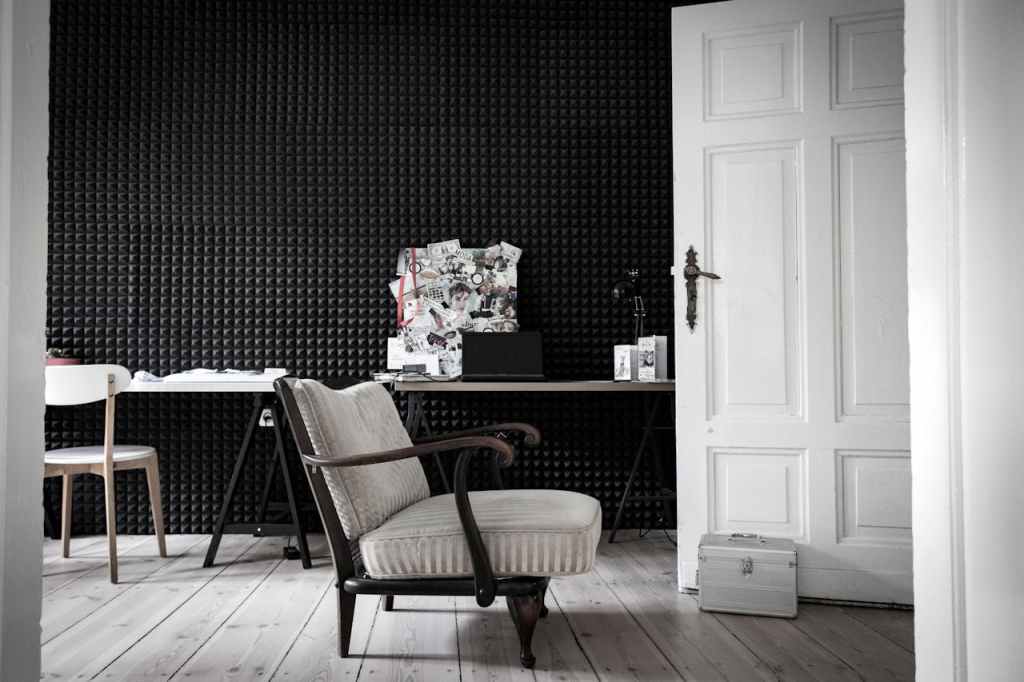
Acoustic panels are crucial for stopping echoes and reducing sound reflections, but high-end panels can be expensive. Fortunately, you can build your own DIY panels that are just as effective and can be customized to match your office aesthetic. The key is to source affordable, sound-absorbing fill material, such as compressed mineral wool insulation, dense foam, or even thick cotton batting.
Construct a simple, shallow wooden frame—perhaps a 1×2 or 1×4 pine frame—and securely fit the absorbing material inside. The final, creative step is covering the frame with a breathable, decorative fabric. These homemade panels are not only highly functional when mounted on walls or behind your desk, but they also offer a unique opportunity to add personalized, textural art to your workspace.
4. Ground You Space With Rugs or Carpets
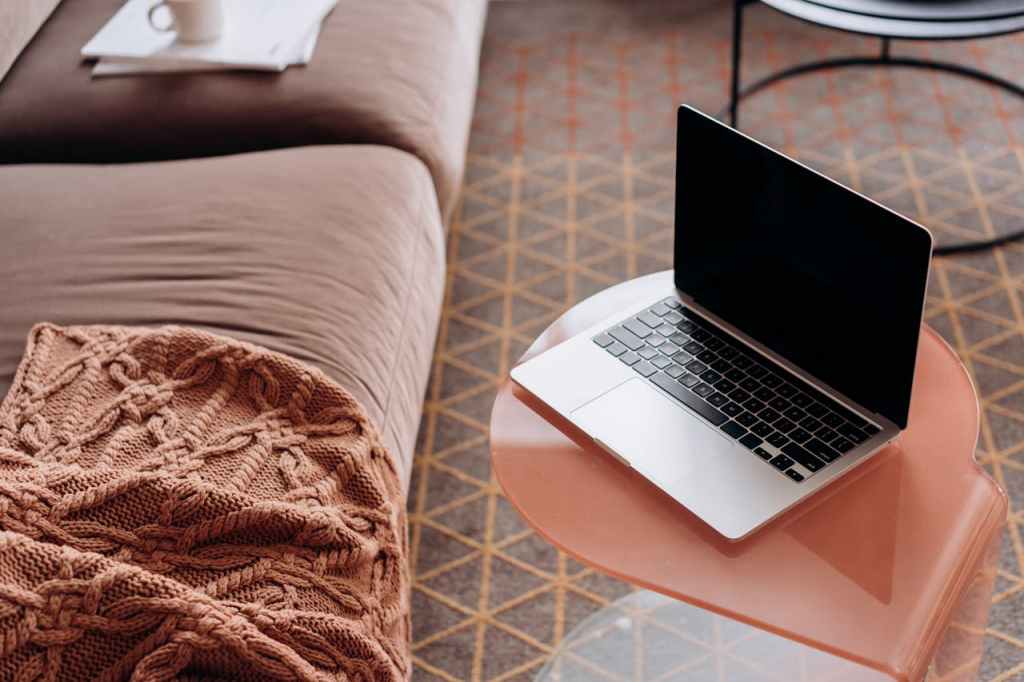
Hard surfaces—like tile, laminate, or hardwood—are notorious for making a room sound hollow because they allow sound waves to bounce freely and amplify noise from footsteps or rolling chairs. Introducing mass and texture to the floor is a simple remedy. Adding a thick rug or wall-to-wall carpet acts as a substantial sound absorber for both impact and airborne noise.
For maximum sound dampening, choose materials like thick wool, deep shag, or high-pile area rugs. If you’re using an area rug on a hard floor, always place a dense felt rug pad underneath. This pad not only prevents slippage but also adds an extra layer of mass and cushioning, significantly enhancing the rug’s noise-blocking properties. Placing a heavy rug directly underneath your desk or main work area will yield the most immediate results.
5. Leverage Furniture as Architectural Sound Barriers
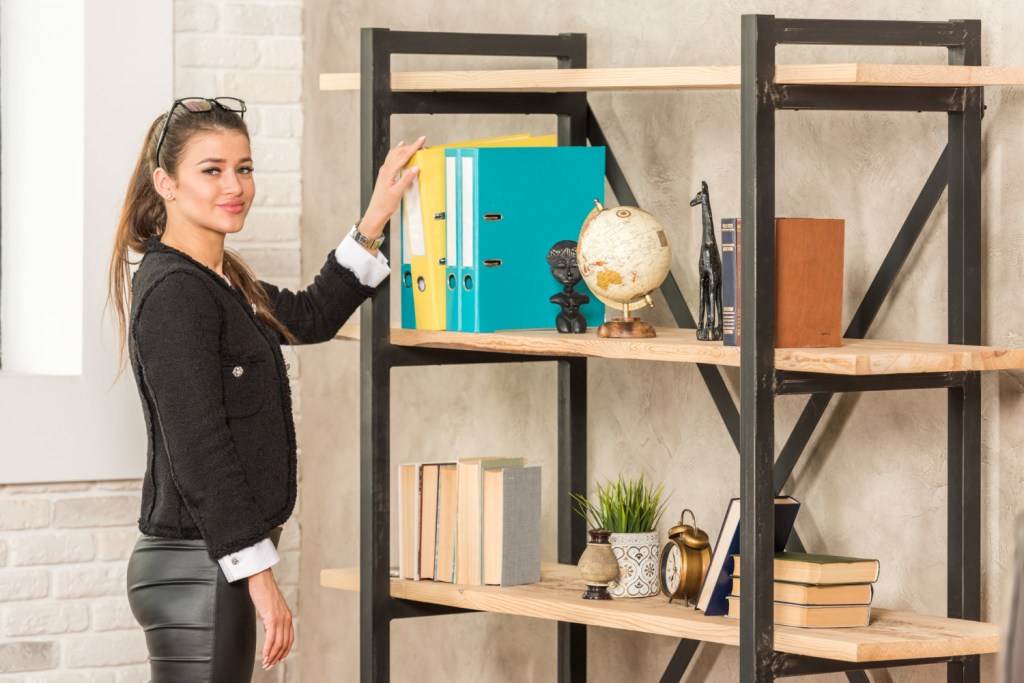
Your furniture can do more than just hold your books; strategically placed items can act as functional, sound-dampening architectural elements. A fully-loaded bookshelf or a tall shelving unit positioned against an exterior wall or a shared wall with a noisy neighbor provides a dense, multi-layered barrier. The varying sizes and shapes of the books and binders inside help to diffuse and absorb sound waves before they reach your workspace.
Similarly, placing a large, upholstered piece of furniture, like an armchair or a small couch, in a corner can significantly absorb bass frequencies and reduce general room echo. When arranging your space, prioritize placing large, dense items between you and the primary source of unwanted noise.
6. Incorporate Large Indoor Plants

Beyond their aesthetic and air-purifying qualities, certain indoor plants are excellent at diffusing sound waves and softening a room’s acoustics. While a single small succulent won’t make a major difference, large, dense plants with thick, substantial leaves or complex branching structures can contribute to noise reduction.
Place tall, broad-leaved plants like the Rubber Plant, Fiddle Leaf Fig, or large Peace Lily in corners or near windows. The structure of their leaves and the mass of the soil and pot act as a natural barrier that helps absorb and break up sound energy. This strategy not only subtly improves your office’s sound profile but also introduces a calming, organic element to your environment.
7. Use Anti-Vibration Pads for Quieter Operation
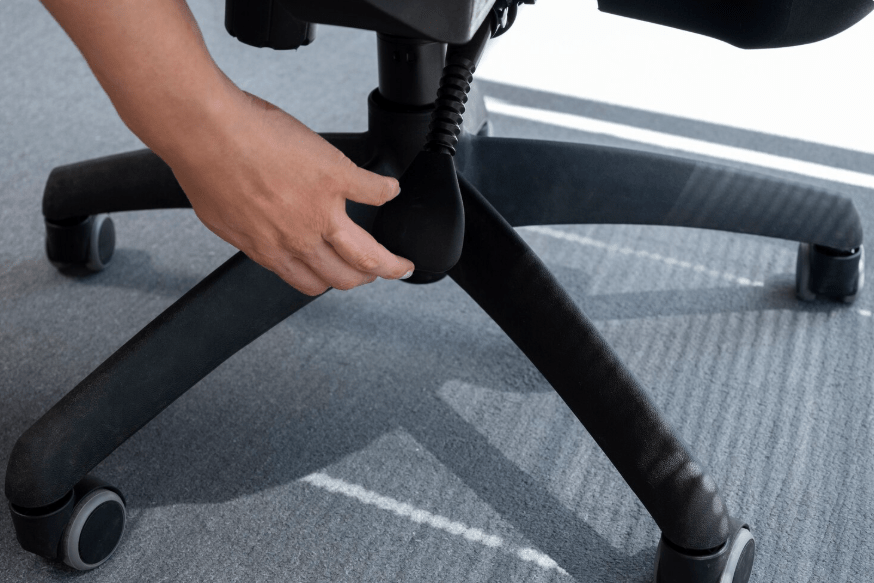
While rugs absorb airborne noise, much of the distraction in an office comes from impact noise and vibration—the drumming sound of typing, the hum of a computer tower, or a ringing phone. The unique solution here is to decouple these noise sources from the hard surfaces that amplify them.
For your desk, instead of simple pads, use dedicated isolation feet or sorbothane pucks (often sold for audio equipment) under your monitor, speakers, and even your keyboard. These dense, specialized materials are engineered to absorb vibration energy rather than letting it transfer into the solid wood or metal of your desk. For a budget-friendly DIY version, use dense anti-vibration rubber mats or even thick, layered cork tiles under your PC tower, reducing the low-frequency hum that can travel through the floor and walls. This targeted approach silences the noise at its source, leading to a much quieter overall workspace.
By implementing these budget-friendly and creative solutions, you can successfully manage the acoustics in your home office, fostering a quiet, distraction-free environment that supports your focus and maximizes your productivity.
You Might Also Enjoy:




 EA and Beyond
Leave a comment