
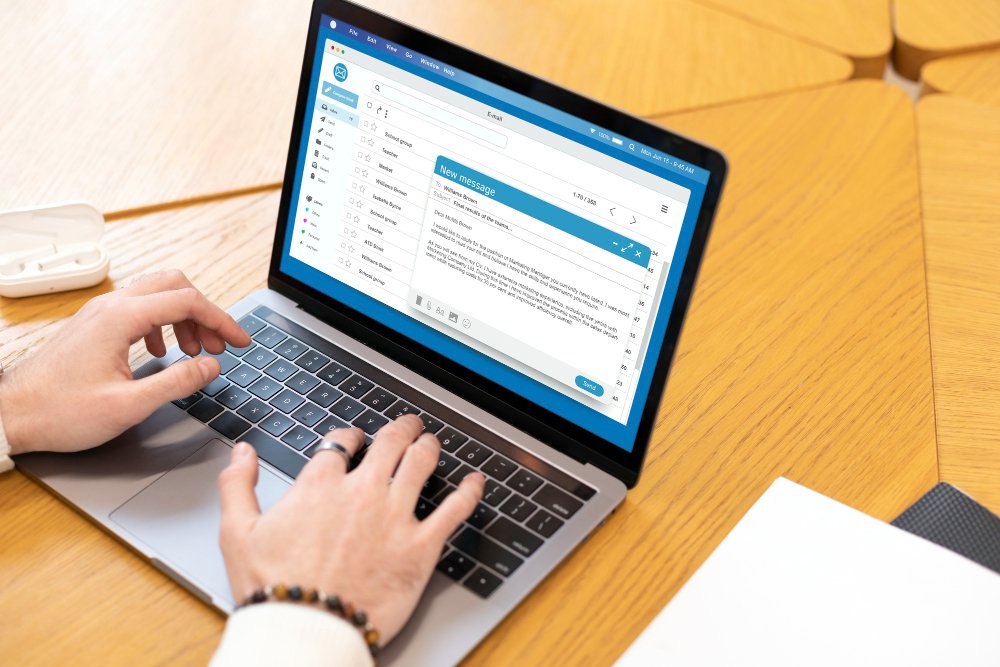
Writing emails on behalf of your boss is an essential aspect of an executive assistant’s role. These emails are frequently sent to clients, team members, business partners, and other stakeholders, making it crucial to communicate clearly and professionally. How you craft and send these emails directly reflects your boss’s professionalism, as well as the reputation of the company you represent. Whether you’re sending routine updates, addressing urgent matters, or making requests, your email tone and content must align with the company’s values and your boss’s expectations. This guide will walk you through the best practices and professional phrases to use when drafting emails on behalf of your boss, ensuring that your communication remains effective, respectful, and polished. Learn the key strategies that will help you master this vital skill and enhance your role as an executive assistant.

1. Provide a Clear Introduction
When writing an email for your boss, start by saying that you are sending it on their behalf. This sets the tone and shows the recipient that the message is from someone responsible. Include your boss’s name and title for context and credibility. This helps maintain professionalism and lets the recipient know who to respond to. By providing this information upfront, you create clear and respectful communication that reflects positively on both you and your boss.
Here’s an example of how to use it in an email:
Dear Mr. Clooney,
On behalf of [Boss’s Name], I am writing to confirm our meeting next week. We look forward to discussing the project details with you.
Regards,
Emily
2. Use a Concise Subject Line
The subject line should be clear and descriptive to convey the purpose of the email. This helps the recipient quickly understand its importance or urgency. A good subject line grabs attention and encourages quick action, whether it means opening the email now or saving it for later. Including key phrases that highlight the main topic can help the recipient see how the message relates to their tasks. In the end, a simple and engaging subject line improves communication and increases the chances of a quick response.
Here’s a sample usage in an email:
Subject: Follow-Up on Project Proposal Submission
This subject line immediately tells the recipient what the email is about and signals its relevance.
3. Maintain a Professional Tone
Using a formal and respectful tone is important when writing emails for your boss. This approach conveys professionalism and respect in a business setting. Adjust your language to fit your company’s style, staying professional with clients, partners, and stakeholders who may have different expectations. Internal emails might be more casual, depending on your workplace culture, but it’s safer to stay professional, especially in external communications, as this reflects on both you and your organization. Clear and concise communication helps avoid misunderstandings and encourages effective teamwork. Additionally, using proper greetings and sign-offs gives a more polished impression, improving the overall quality of your emails.
Sample email for this approach:
Dear Mr. Pitt,
Thank you for your ongoing collaboration. I am reaching out on behalf of [Boss’s Name] to provide an update on the upcoming quarterly reports and confirm the scheduled meeting for next Tuesday.
Regards,
Emily
4. Include Essential Details
Ensure that you include all necessary details and background information so that the recipient understands the context and the reason for the email. When writing on behalf of your boss, provide clear and precise information, ensuring there are no misunderstandings. Include essential information such as dates, names, and key points that are needed for the recipient to take action or respond appropriately
Example:
As per our recent conversation, [Boss’s Name] has reviewed the proposal and would like to suggest a few revisions. Attached, you will find the document with notes on specific areas for further consideration.
5. Be Direct in Your Request
Be direct about what you need from the recipient. This ensures the email’s purpose is clear and avoids confusion. Politely state your request—whether it’s a follow-up, action, or reply. If you need a specific outcome, make it clear. A strong call to action is vital for good communication.
Example:
“Please review the attached proposal and let us know your thoughts by the end of the week. [Boss’s Name] would like to move forward with the revisions as soon as possible.”
6. Close with Your Contact Details
End the email with a polite closing, thanking the recipient for their time and attention. Show your appreciation for their efforts, as this helps build a good relationship. Also, include your contact information, like your phone number and email address, so they can easily reach you if they have questions or want to respond. This shows that you are willing to help and encourages open communication.
Example:
“Thank you for your attention to this matter. Should you have any questions or require additional information, please feel free to reach out to me. [Your Contact Information]”
7. Double-Check for Accuracy
Before sending an email for your boss, it’s important to check the accuracy of the information in the message. Even small mistakes can cause misunderstandings. Whether it’s the correct meeting time, updated project details, or a clear request, make sure everything is right. Reviewing these details helps prevent miscommunication and shows professionalism and respect for your boss and the email recipients. Always think about how inaccuracies could affect the situation and aim for clear communication.
If you’re including attachments, verify that the correct files are attached and that any dates or times mentioned in the email are accurate. A simple mistake, like a wrong attachment or meeting time, can create confusion.
8. Tailor the Level of Detail
Tailor the level of detail based on the recipient’s familiarity with the topic and your boss’s expectations. If the recipient is well-informed, a brief update might be enough, highlighting key developments since their last engagement. However, for those unfamiliar with the topic, providing additional background and context is important to help them understand. This can include summarizing past discussions, pointing out key concepts, or recommending resources for further learning. It’s important to find a balance between being concise and thorough, ensuring you meet your boss’s communication standards while accommodating different levels of understanding.
Example:
For a new client, you might say:
“As mentioned in our previous email, we are working on several exciting initiatives that align with your objectives. [Boss’s Name] is eager to collaborate with your team on these projects, and we are happy to provide any further details you might need to move forward.”
On the other hand, for an internal team member:
“Just a quick update as per [Boss’s Name] instructions: The team is to finalize the budget draft by Friday, and I’ll ensure it’s shared with all stakeholders by the end of the day.”
9. Seek Clarification When Necessary
If you’re unsure about any part of the email or message your boss wants to send, ask them before you write it. This helps make sure the communication is clear and matches their intentions. Whether it’s how to word a request or asking for clarification on a specific point, don’t hesitate to get more information. It’s better to do it right the first time than to send a confusing message.
10. Follow-Up When Necessary
Sometimes emails need a follow-up to avoid missing any details. If you don’t get a reply in a timely manner, it’s okay to send a friendly reminder. This highlights the request’s importance while keeping the communication polite, as the recipient might have been busy or overlooked the first message.
A message example for this scenario:
“Dear Ms. Swift,
I wanted to follow up on the email I sent last week regarding the upcoming meeting. If you require any further details, please don’t hesitate to reach out. [Boss’s Name] is looking forward to our discussion and would appreciate an update.”
Sincerely,
Emily

Professional Phrases for Communicating on Behalf of Your Boss
When writing emails for your boss, it’s important to use clear language that shows you’re their representative while remaining professional and respectful. This helps the recipient understand the importance of your message. Here are some phrases you can use in various situations, whether sharing updates, making requests, or coordinating tasks. These phrases highlight that you’re acting on your boss’s behalf, making your communication clearer and more professional.
At the direction of
This phrase is useful when your boss has given you clear instructions to share their decisions or priorities. It shows that you are following their guidance and helps the recipient understand that your actions reflect their choices. It’s especially helpful for official updates, requests, or important communications.
With the endorsement of
Using this phrase shows that your boss authorized and supports the action being communicated. It adds credibility to the message, indicating that the recipient should take it seriously. This phrase is especially useful for strategic decisions, approvals, or initiatives that have executive backing.
As delegated by
This phrase is used when your boss has officially assigned you a specific task or email. It indicates that you have the authority to handle it while still following your boss’s guidance. This phrase is helpful for tasks that carry some responsibility but are not part of your regular duties.
In line with [Boss’s] instructions
This phrase offers a clear way to say that your email follows the guidance or strategy of your boss. It shows that your actions support their vision or plan. This phrase is effective when the email is related to a broader initiative your boss has started.
Following [Name’s] review
Use this phrase when your boss has reviewed or approved the content. It lets the recipient know the information is approved before being sent. This is especially helpful for finalized documents, reports, or decisions that have your boss’s approval.
In accordance with [Boss’s] direction
This phrase is useful when you want to show that you’re following your boss’s exact instructions. It highlights that your actions align with what your boss has set, making it especially appropriate for formal or legal communications where clear authority is important.
As instructed by
This phrase is ideal when your boss has clearly instructed you about the content and purpose of the email. It is clear and direct, eliminating any confusion about who provided the instructions. It’s helpful when sending an email that follows your boss’s directions, making sure the recipient understands it’s part of a specific plan.
At the request of
This phrase indicates that you are following a direct request from your boss to communicate with someone. It is formal and shows you are acting on their behalf. It’s helpful when you need to share information, make a request, or confirm details, ensuring your actions align with their wishes.
On instruction from
This phrase shows that you’re following your boss’s clear instructions. It’s simple and professional, making it ideal for communicating tasks or instructions that are direct and require no interpretation.
With instructions from
Use this phrase when following your boss’s specific directions. It clearly shows that your task aligns with their instructions, indicating that your actions are part of a plan. This phrase helps ensure the recipient understands that your actions are intentional and guided by their strategy.
At the discretion of
This phrase means your boss has allowed you to make decisions for them. It shows you’ve been given authority but are still following your boss’s guidance. It’s helpful when you need some flexibility while having their permission to move forward.
Under the guidance of
When your boss provides guidance, this phrase indicates that you’re following their direction while having some flexibility in how you execute it. It’s helpful for showing that your actions align with their expertise but still allow for your own decisions. This phrase makes it clear that the email represents your boss’s vision but is managed by you.
As authorized by
This phrase means you have permission to act or speak for your boss. It’s useful in formal, legal, or contract situations where you need to show you can share information or take action. By using this phrase, you show you have the authority, which helps the recipient trust the message.
Following up on [Boss’s] behalf
Use this phrase when reminding someone about a previous message or action for your boss. It’s a professional way to follow up and let the recipient know you are checking in for your boss. This is often used to check the status of a request, confirm a pending action, or get an update on something your boss is waiting for. This phrase makes sure your follow-up is recognized as an official action endorsed by your boss.
Each of these phrases makes your emails clearer and more professional, showing the recipient that you have your boss’s permission or direction. Whether you’re sharing updates, making requests, or confirming actions, using these phrases helps you communicate well and uphold the chain of command.
Why Would Your Boss Need You to Send Emails on Their Behalf?
- Delegation of Responsibilities: Your boss might be too busy to manage every email. By assigning you routine or important communications, they can concentrate on more urgent tasks while ensuring nothing is overlooked.
- Streamlining Communication: Managing tasks like email follow-ups or scheduling for your boss helps them focus on important responsibilities, improving time management and productivity.
- Managing Workload: Your boss may need help managing emails due to a busy schedule. By delegating this to you, they can address messages promptly and focus on important decisions.
- Ensuring Consistency: If your boss is unavailable, sending emails for them can help maintain their tone and style, ensuring all communication aligns with their preferences.
- Maintaining a Professional Image: Sending emails on behalf of your boss when they are unavailable ensures timely and professional communication, preventing delays and supporting a responsive team image.
- Handling Sensitive or Urgent Matters: In some cases, your boss may delegate you to handle sensitive or urgent matters. This allows them to prioritize their attention on other critical tasks while ensuring that important communications are still managed effectively.
- Creating a Record of Communication: You may need to document important communications for your boss. Sending emails for them helps maintain a clear record that they can reference later.
- Managing Expectations: If your boss is unavailable, handling communication helps ensure that clients, colleagues, or partners know the status of requests or meetings. This keeps things moving smoothly in their absence.
- Freeing Up Time for Strategic Thinking: By managing daily communication, you enable your boss to concentrate on important tasks like generating ideas, overseeing key projects, or leading meetings. This allows them to use their time better while you handle routine administrative duties.
By sending emails for your boss, you play a crucial role in keeping communication smooth within the team and with outside contacts. This task helps lighten the workload and shows that you can work independently while staying professional. With the right words and approach, you can effectively represent your boss and help create a more organized and productive workplace.




 EA and Beyond
Leave a comment