
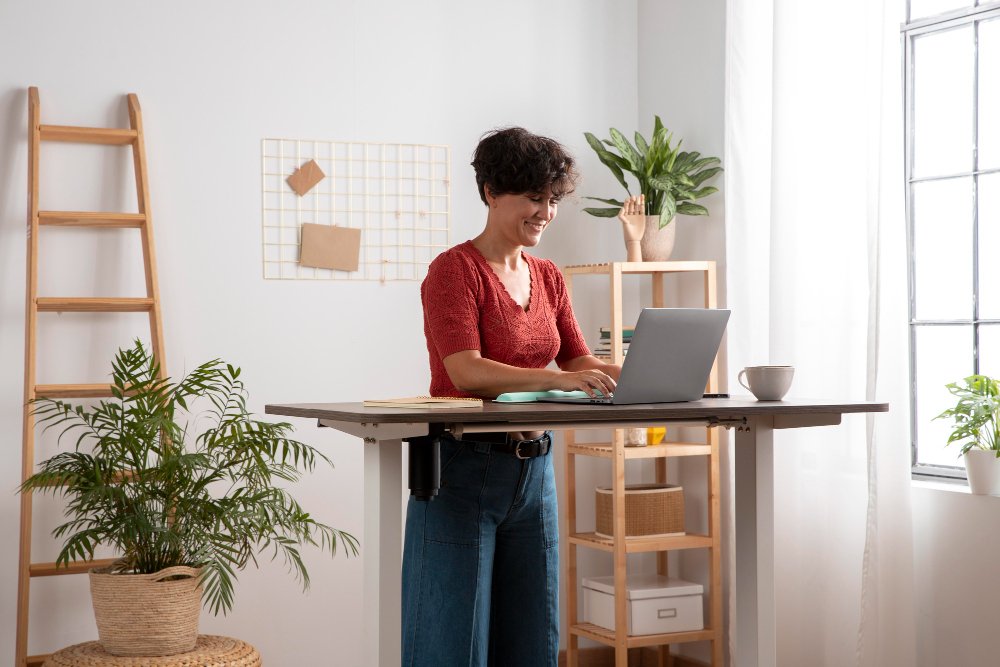
Working from home has changed how millions of people spend their workdays. Without the walk to the parking lot, the stairs to your office, or even the trip to a coworker’s desk, it’s shockingly easy to barely move all day. If you’ve found yourself sitting from morning until evening, you’re not alone. The good news is that with a few simple strategies, you can turn your sedentary work routine into an active, healthy lifestyle.
The Real Cost of Sitting All Day
Let’s talk about what happens when you don’t move enough. Your body wasn’t designed to stay in one position for eight hours straight. Sitting for too long can cause tight hip flexors, weak core muscles, and nagging back pain. Your circulation slows down, which means less oxygen getting to your brain. This is why you feel foggy and tired by mid-afternoon, even though you haven’t done anything physically demanding.
Beyond the physical problems, lack of movement affects your mental health too. Exercise releases endorphins, which are natural mood boosters. When you skip movement, you miss out on these benefits. Studies show that people who move regularly throughout the day report better concentration, less anxiety, and higher job satisfaction.
Start With Your Workspace Setup
Before diving into exercise routines, think about your workspace itself. Can you add movement opportunities right where you work? Consider these options:
Standing desk options: You don’t need an expensive motorized desk. A simple standing desk converter or even a stack of sturdy boxes can elevate your laptop to standing height. Try standing for 15 minutes every hour to start.
Active sitting: An exercise ball chair or a wobble cushion keeps your core engaged even while you’re seated. These tools force tiny adjustments in your posture that add up over time.
Keep equipment nearby: Store resistance bands, light dumbbells, or a yoga mat within arm’s reach. When equipment is visible and accessible, you’re more likely to use it during breaks.
Build Movement Into Your Schedule
The biggest mistake remote workers make is waiting to “find time” for exercise. Instead, schedule movement just like you would schedule a meeting. Here’s how to build an active routine:
Morning movement ritual: Before you even check your email, spend 10 minutes doing something active. This could be yoga, a quick jog around the block, or a simple stretching routine. Starting your day with movement sets a positive tone and wakes up your body and mind.
Lunch break workouts: Use half of your lunch break for a real workout. A 20 to 30 minute session is enough to get your heart rate up and burn some calories. Try a YouTube workout video, go for a bike ride, or do bodyweight exercises in your living room.
Afternoon energy boost: Around 2 or 3 PM, most people hit an energy slump. Instead of reaching for another coffee, try 5 to 10 minutes of jumping jacks, high knees, or dancing to your favorite song. This quick burst of activity will wake you up better than caffeine.
End of day wind down: After you close your laptop, do a 10 minute walk or some gentle stretching. This helps your body transition from work mode to personal time and prevents you from going straight from your desk to your couch.
Maximize Your Meeting Time
Meetings make up a huge portion of most people’s workdays. Why not make them active? Here are practical ways to move during meetings:
If you don’t need to be on camera or share your screen, take the meeting as a walking call. Put in your earbuds and walk around your neighborhood or even just pace around your house. The movement can actually help you think more clearly and participate better in discussions.
For video meetings where you need to be visible, you can still stand instead of sit. Most people won’t even notice you’re standing, and it’s much better for your posture and energy levels.
During meetings where you’re mostly listening, try doing simple exercises off camera. Calf raises, wall sits, or gentle stretches can happen without disrupting your participation.
Create Activity Challenges
Sometimes staying motivated means making movement fun and social. Here are ideas to keep things interesting:
Step competitions: Challenge your coworkers, friends, or family members to a weekly step challenge. Apps like Fitbit and Apple Health make it easy to compare totals. A little friendly competition can push you to take that extra walk.
30 day challenges: Pick a simple goal like doing 10 pushups every day for a month, or holding a plank for increasing amounts of time. Track your progress and celebrate when you complete the challenge.
Variety rotations: Choose a different type of activity each day of the week. Monday could be strength training, Tuesday is yoga, Wednesday is cardio, and so on. Variety prevents boredom and works different muscle groups.
Take Advantage of Your Home Environment
Your home offers unique opportunities that an office doesn’t. Use them to your advantage:
Household chores as exercise: Vacuuming, mopping, and yard work all count as physical activity. Do them energetically and you can burn significant calories while also checking items off your to-do list.
Stairs as a gym: If you have stairs in your home, use them for quick cardio bursts. Running up and down the stairs five times gets your heart pumping fast.
Outdoor access: Many people working from home have easier access to the outdoors than they did in an office. Take advantage of this by working outside when possible or taking frequent outdoor breaks.
Pet play time: If you have a dog, take multiple walking breaks throughout the day. If you have a cat, spend five minutes with a laser pointer or toy. Playing with pets is fun exercise that benefits both of you.
Track Your Progress
What gets measured gets managed. Keeping track of your activity helps you stay accountable and see improvement over time.
Use technology: Fitness trackers, smartwatches, and phone apps can automatically track steps, active minutes, and calories burned. Many people find that seeing these numbers motivates them to do a little more each day.
Keep a simple log: If you prefer low-tech solutions, just write down what you did each day in a notebook or calendar. Seeing a streak of active days builds momentum.
Take progress photos: Once a month, take a photo of yourself. Physical changes happen slowly, and photos help you see progress that you might not notice in the mirror.
Set realistic goals: Don’t aim for perfection. Start with goals like “move for 10 minutes three times per day” rather than “work out for an hour every day.” Small, achievable goals build confidence and create lasting habits.
Overcome Common Obstacles
Even with the best intentions, obstacles will come up. Here’s how to handle the most common challenges:
“I’m too busy”: Remember that something is better than nothing. Even two minutes of movement is better than zero. You have time for short bursts of activity throughout your day.
“I’m too tired”: This seems backward, but movement actually creates energy. When you feel exhausted, try just five minutes of gentle activity. You’ll almost always feel better afterward.
“I don’t have equipment”: You don’t need any equipment to stay active. Bodyweight exercises like squats, lunges, pushups, and planks are completely free and highly effective.
“I feel awkward exercising at home”: Close your door, put on music, and remember that no one is watching you. Your home is a judgment-free zone where you can move however feels good.
Make It Stick
The real challenge isn’t starting an active routine. It’s maintaining it over weeks and months. Here’s how to make movement a permanent part of your work from home life:
Start ridiculously small: If you’re currently sedentary, don’t try to suddenly become a fitness enthusiast. Start with one five-minute walk per day. Once that feels easy and automatic, add more.
Link movement to existing habits: Attach new movement habits to things you already do. For example, do 10 squats every time you refill your water bottle, or stretch every time you finish a work task.
Forgive yourself quickly: You will miss days. That’s normal and okay. Don’t let one skipped workout turn into a week of inactivity. Just start again the next day without guilt or negative self-talk.
Focus on how you feel: Pay attention to the benefits you notice from moving more. Better sleep, improved mood, less back pain, and increased energy are powerful motivators that remind you why staying active matters.
Your Active Work From Home Future
The shift to remote work is permanent for many people, which means finding ways to stay active at home isn’t optional anymore. It’s essential for your long-term health and happiness. The tips in this guide give you a complete toolkit for building movement into every part of your day.
Start by picking just one or two strategies that appeal to you most. Maybe you’ll begin with morning stretches and walking meetings. Once those become habits, add another strategy. Over time, you’ll build a lifestyle where movement is natural and automatic, not something you have to force yourself to do.
Working from home doesn’t have to mean being sedentary. With intention and creativity, you can be more active now than you ever were in a traditional office. Your body, mind, and career will all benefit from the changes you make starting today.
You Might Also Enjoy:




 EA and Beyond
Leave a comment