

Let’s face it: we spend a lot of time at our desks. Whether you’re a remote worker, a student, or a dedicated office professional, your workspace is more than just a place to put your computer—it’s a critical environment that impacts your mood, focus, and productivity. That’s where deskscaping comes in.
If your desk feels more like a dumping ground than a sanctuary, deskscaping can transform it into a beautiful, functional workspace you’ll actually love.
Ready to begin your deskscaping journey? Here are our top tips for a successful workspace transformation.
1. Know Your Work Environment
Before buying anything for your deskscaping project, take stock. What do you actually do at your desk? Understanding your workflow is the cornerstone of effective deskscaping because your workspace design should serve your specific needs, not work against them.
If you’re handling confidential documents, your deskscaping plan needs to include lockable drawers or filing systems. Those who work with large formats like architectural plans or design mockups will want to keep their desk surface as clear as possible, using wall-mounted storage and digital alternatives wherever feasible. And if your job involves regular video meetings, your deskscaping strategy should prioritize what’s visible on camera—think clean backgrounds, flattering lighting, and professional-looking accessories within frame.
The key to successful deskscaping is matching form to function. Your desk should look beautiful, but it should work even better.
2. Declutter and Organize
No amount of stylish accessories or thoughtful workspace design can compensate for a cluttered surface. Professional organizers often say that clutter is simply delayed decision-making, and nowhere is this more evident than on a desk.
Start your deskscaping transformation by removing everything from your desk. Yes, everything. Then sort items into three categories: daily essentials, occasional needs, and items that don’t belong at your desk at all. The daily essentials earn prime real estate in your deskscape. Occasional needs should be stored in drawers or nearby shelving. Everything else should find a new home elsewhere.
Cable management deserves special attention in deskscaping because tangled cords are visual chaos. Velcro ties allow you to bundle cables together, while adhesive clips guide them along desk edges and legs. Some deskscaping enthusiasts swear by cable sleeves that encase multiple cords in a single fabric tube, creating one clean line instead of many messy ones. The goal of good workspace organization is to make technology feel integrated rather than invasive.
3. Add Nature and Greenery
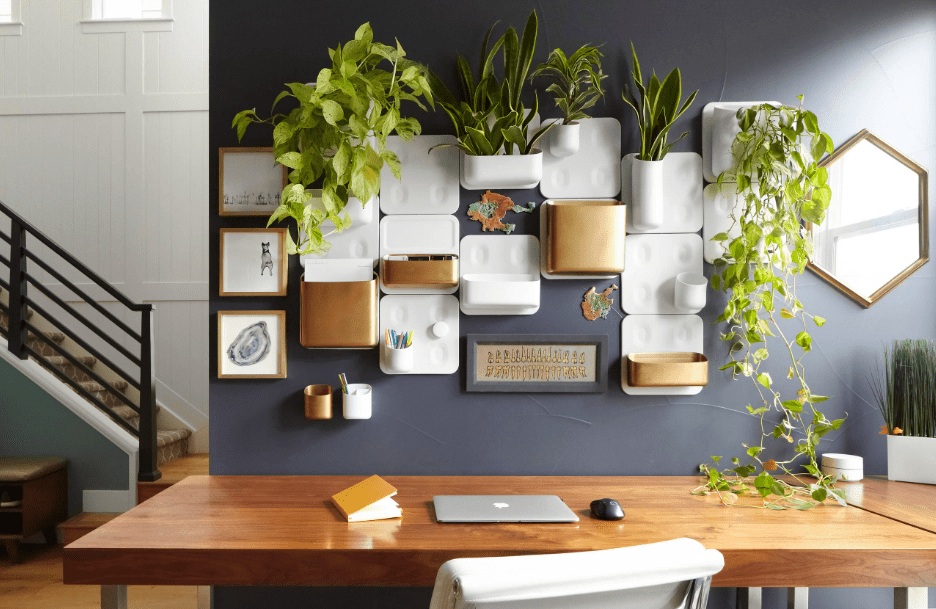
A small plant is perhaps the most impactful deskscaping element you can add. Studies show that having plants in the workspace can reduce stress and increase attention span—making this one of the most beneficial deskscaping ideas for productivity.
Low-maintenance options perfect for deskscaping include succulents, snake plants, small pothos, air plants, and ZZ plants.
4. Optimize Lighting
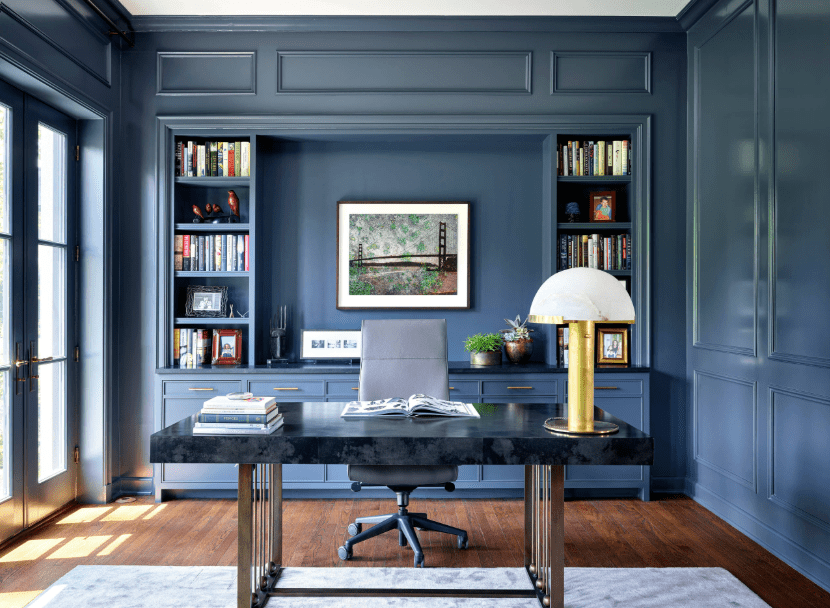
Lighting makes or breaks deskscaping. The harsh glare of overhead fluorescents flattens everything, creating eye strain and washing out the thoughtful details of your workspace design. Task lighting, by contrast, brings depth, warmth, and focus to your deskscape.
When choosing a desk lamp for deskscaping, adjustability is crucial. You need to direct light exactly where you’re working without creating glare on your screen. Modern LED task lamps offer color temperature control, letting you shift from energizing cool light during morning work sessions to warmer, gentler tones as the day progresses. Some deskscaping enthusiasts position two light sources—a main task lamp and a softer ambient light—to eliminate harsh shadows and create a more dimensional workspace.
For those who take video calls, lighting becomes even more critical in deskscaping. A small ring light or LED panel positioned behind your monitor can transform your on-camera appearance, eliminating unflattering shadows and giving you a professional, polished look. Good lighting is one of the most impactful investments in workspace design because it affects both how you see your work and how others see you.
5. Invest in a Monitor Riser (or Stand)
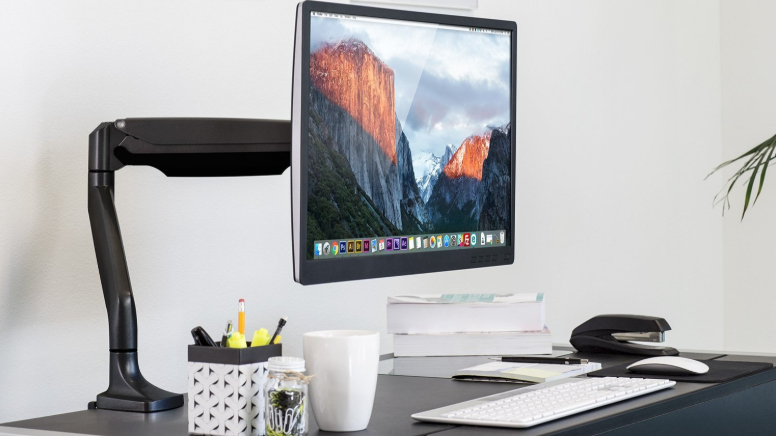
The monitor riser is perhaps the most underrated element in deskscaping. This single addition delivers a remarkable combination of aesthetic improvement and ergonomic benefit that few other workspace design elements can match.
Visually, a monitor riser creates levels in your deskscape, adding architectural interest to what might otherwise be a flat, two-dimensional surface. The space beneath becomes valuable real estate—perfect for sliding your keyboard and mouse out of the way during breaks, or for storing frequently referenced notebooks and supplies. This vertical organization is a hallmark of sophisticated deskscaping.
Ergonomically, raising your monitor to eye level prevents the neck strain that comes from looking down at your screen for hours. Physical therapists consistently recommend this adjustment as one of the most important workspace modifications for long-term health. When your deskscaping includes proper ergonomics, you’re investing in your body as well as your productivity.
You don’t need an expensive purpose-built stand. Some creative deskscaping solutions use stacked books, wooden boxes, or vintage crates to achieve the same elevation while adding character and personality to the workspace design.
6. Upgrade to Wireless Accessories
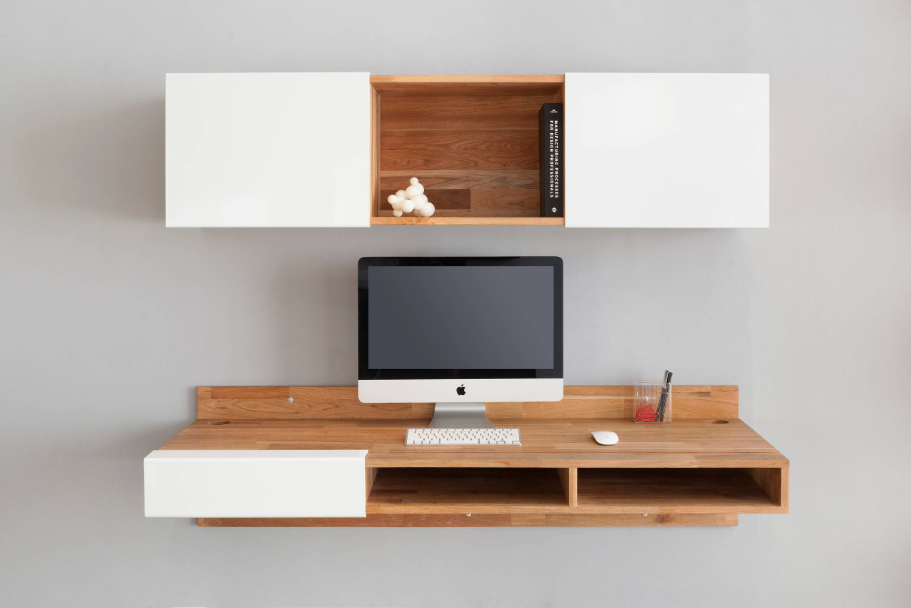
Few deskscaping upgrades deliver such immediate visual impact as switching to wireless peripherals. Cords are the enemy of clean workspace design, creating visual clutter that undermines even the most thoughtful deskscaping efforts. When you eliminate the tangle of cables running from keyboard and mouse to computer, your desk instantly looks more professional and intentional.
Modern wireless technology has eliminated the performance concerns that once plagued these devices. Today’s wireless keyboards offer the same responsiveness as wired versions, with battery life measured in months rather than days. Wireless mice track precisely and reliably, with ergonomic designs that range from minimal and sleek to contoured and supportive.
Beyond functionality, these accessories have become design objects in their own right. A beautifully crafted mechanical keyboard can serve as a centerpiece in your deskscape, its materials and finishes complementing your overall workspace aesthetic. Whether you prefer minimalist aluminum, warm wood accents, or playful pastel colors, there’s a wireless keyboard and mouse set that aligns with your deskscaping vision.
7. Choose a Stylish Mouse Pad

The mouse pad occupies prime real estate in your deskscape, sitting directly in your line of sight and under your hand for hours each day. This makes it an ideal opportunity to introduce texture, color, and personality into your workspace design without overwhelming the space.
Leather mouse pads bring sophistication and age beautifully, developing a patina that tells the story of your work. Felt pads offer softness and come in rich, saturated colors that can anchor your deskscaping color scheme. Cork provides natural texture and sustainability, while also offering the practical benefit of being naturally antimicrobial. Extended mouse pads that accommodate both mouse and keyboard create a unified surface that defines your work zone and protects your desk.
When selecting a mouse pad for deskscaping, consider how it interacts with your other desk elements. Does it complement or contrast with your keyboard? Does its color tie together other accents in your workspace design? A well-chosen mouse pad feels intentional rather than incidental, contributing to the overall cohesion of your deskscape.
8. Add Personal Touches
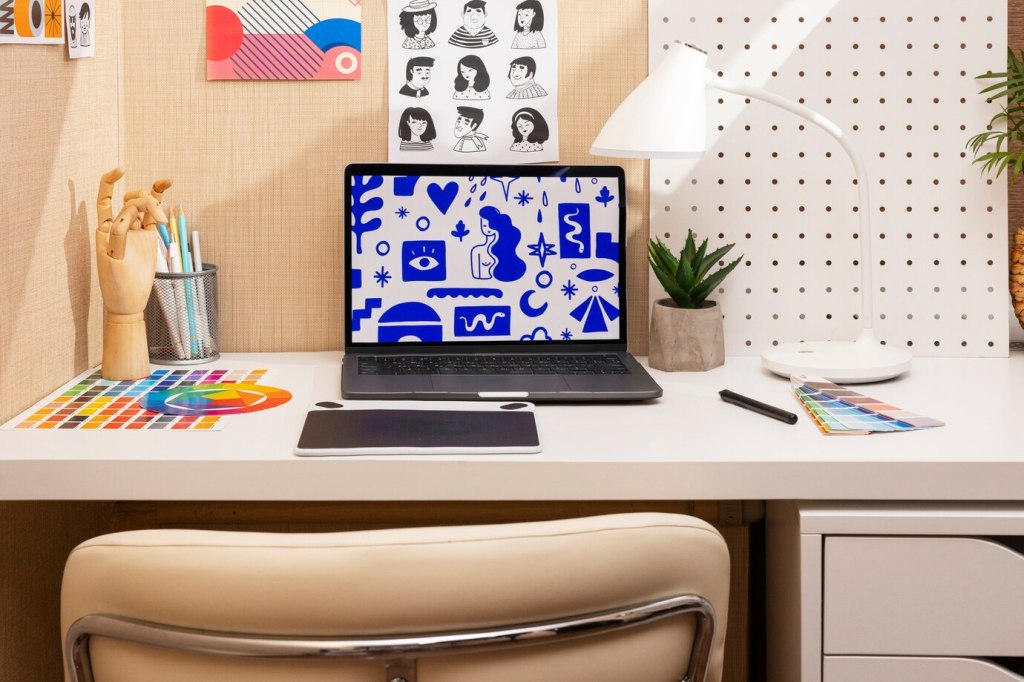
This is where deskscaping becomes deeply individual, reflecting who you are beyond your professional role. Personal elements transform a generic workspace into your workspace, creating emotional connection and sense of ownership that generic office furniture can never provide.
Small art pieces or meaningful quotes bring visual interest at eye level when you look up from your work. These don’t need to be expensive or elaborate—even a postcard from a memorable trip or a print from an independent artist can anchor your deskscape emotionally. The key is choosing images and words that genuinely resonate with you rather than generic motivational posters.
Mementos tell your story. A smooth stone from a meaningful hike, a small sculpture gifted by someone important, a vintage camera that sparked your creative passion—these objects in your deskscape remind you of what matters beyond the immediate tasks at hand. They don’t need to be work-related. In fact, the best personal touches in deskscaping often connect you to life beyond your desk, providing perspective during stressful moments.
Tips to Maintain Your Deskscape
Creating a beautiful deskscape is satisfying, but maintaining it requires establishing habits that preserve your workspace design without demanding constant attention. The goal is systems that keep your desk functional and attractive with minimal ongoing effort.
- The 5-Minute Sweep: At the end of every workday, take five minutes to put everything back where it belongs, wipe down the surface, and toss any stray papers.
- Regular Watering: Keep your plants alive! Set a specific reminder to water them so they continue to bring life to your space.
- Digital Declutter: Don’t forget the digital deskscape. Clean up your desktop background and organize your files regularly so your mental workspace is as clean as your physical one.
Frequently Asked Questions About Deskscaping
What is deskscaping?
Deskscaping is the practice of intentionally designing and decorating your desk space to be both aesthetically pleasing and highly functional. It combines workspace organization with interior design principles to create a productive, inspiring environment. Unlike simple desk arrangement, deskscaping involves curating every element with both visual appeal and practical purpose in mind.
When and where did deskscaping originate?
While the concept of personalizing a workspace is certainly not new (who hasn’t put a family photo on their desk?), the term “deskscaping” and its elevated, intentional practice really gained traction during the rise of remote work and the mid-2010s. As more people started working from home, they began to treat their desks not as temporary setups, but as permanent fixtures of their living spaces, deserving of the same design attention as any other room. The sharing of these styled deskscapes on social media platforms further popularized the trend.
How much does deskscaping cost?
Deskscaping can accommodate any budget. You can begin with zero-cost approaches like decluttering, rearranging existing items, and better organizing what you already own. Many effective deskscaping transformations happen simply through subtraction and reorganization. If you choose to purchase items, you might spend anywhere from twenty dollars for a plant and some cable organizers to several hundred dollars for quality lighting, ergonomic accessories, and furniture. The beauty of deskscaping is that it’s about intentionality, not expense.
What are the benefits of deskscaping?
Deskscaping improves focus by reducing visual distractions and creating clear zones for different activities. It reduces stress through the calming influence of organized, attractive surroundings and the presence of natural elements like plants. Your productivity increases when everything you need is accessible and your workspace layout supports your workflow. Additionally, thoughtful deskscaping improves your professional image on video calls, enhances your posture through ergonomic considerations, and simply makes work more enjoyable by surrounding you with things you find beautiful and meaningful.
How do I start deskscaping?
Begin your deskscaping journey by completely clearing your desk. Assess what you truly need for your daily work and what’s just taking up space. Start with the functional foundation—proper desk organization systems, cable management, and ergonomic positioning. Only after these basics are solid should you add aesthetic elements like plants, artwork, and personal touches. Follow the eight tips outlined in this guide, implementing them gradually rather than trying to transform everything overnight. Good deskscaping evolves organically.
Can I do deskscaping in a small space?
Absolutely. Small space deskscaping often produces the most creative and effective results because constraints force intentional choices. Focus on vertical storage solutions that keep your limited desk surface clear. Choose multi-functional items that serve both practical and aesthetic purposes. Embrace minimalism as a design philosophy, letting each item earn its place through usefulness or beauty. Wall-mounted shelves, magnetic strips for tools, and under-desk storage all maximize your workspace design without consuming precious surface area.
How often should I update my deskscape?
Major deskscaping refreshes work well on a seasonal basis—roughly every three to four months. This gives you time to live with your workspace design and understand what’s working before making changes. However, maintain daily cleaning habits and weekly organization routines to preserve your deskscape between updates. If your work responsibilities shift significantly or you notice your workspace no longer serves your needs, don’t wait for the calendar—update your deskscaping immediately to keep it functional.
What are the best plants for deskscaping?
The best plants for deskscaping are resilient varieties that tolerate indoor conditions and forgive occasional watering lapses. Succulents offer incredible variety in shapes and colors while needing minimal water. Snake plants tolerate low light and neglect with remarkable grace. Pothos vines grow enthusiastically and actually prefer their soil to dry between waterings. ZZ plants have architectural leaves that make a design statement while requiring almost no care. Air plants need no soil at all and can perch on driftwood or in small glass containers, adding sculptural interest to your workspace.
Is deskscaping only for home offices?
Deskscaping works in every workspace environment—corporate offices, cubicles, coworking spaces, dorm rooms, kitchen tables, and even converted closets. The principles remain consistent across contexts: reduce clutter, improve organization, add meaningful personal elements, and create a workspace that serves both your practical needs and your aesthetic preferences. The specific implementation of your deskscaping will adapt to your space’s constraints and opportunities, but the practice itself is universally applicable.
Start Your Deskscaping Transformation Today
Now that you understand the fundamentals of deskscaping, it’s time to transform your workspace into a place that truly inspires you. Start with one or two deskscaping tips from this guide—perhaps decluttering and adding a plant—and gradually build your ideal setup. Rome wasn’t built in a day, and neither is a perfect deskscape.
Whether you’re new to deskscaping or looking to refresh your current workspace design, remember that your desk is an investment in your best self. This is where you spend a significant portion of your waking hours, where you do your thinking, creating, and problem-solving. It deserves more than the default setup that came with your furniture. Take the time to create a deskscape that calms you, inspires you, and empowers you to do brilliant work.
The difference between a random collection of desk items and intentional deskscaping is the same as the difference between a pile of ingredients and a carefully prepared meal. Both might contain the same elements, but one nourishes while the other merely fills space. Your workspace can be transformative rather than transactional, beautiful rather than merely functional, inspiring rather than just adequate.
Ready to take your workspace to the next level? Begin your deskscaping journey today and discover how a thoughtfully designed desk can transform your entire work experience. Your future self, spending hours at this transformed workspace, will thank you.
Happy deskscaping!
You Might Also Enjoy:




 EA and Beyond
Leave a comment