

Organizing styles for decluttering explain how people naturally manage space based on behavior, not messiness. The Ladybug, Bee, Cricket, and Butterfly styles reflect how individuals process visual input, structure, and information. Matching your system to your natural style improves productivity, reduces clutter relapse, and creates sustainable organization habits.
TL;DR
- Decluttering fails when systems clash with your thinking style
- Four main organizing styles explain how people naturally manage space
- Ladybugs prioritize clean surfaces, Bees rely on systems, Crickets value efficiency, Butterflies need visual access
- Matching your style reduces clutter rebound
- Sustainable organization is behavior-based, not aesthetic-based
Most people do not struggle with organization because they are “messy.” They struggle because they are using systems designed for someone else’s brain.
That mismatch is why containers get bought, closets get reorganized, and yet the clutter always returns.
Let’s fix that.
Understanding Organizing Styles for Decluttering
Organizing styles describe how individuals naturally sort, store, and interact with their environment. When your system aligns with your cognitive style, maintaining order becomes automatic instead of effortful.
Traditional decluttering advice assumes one universal system works for everyone. In practice, that is the reason most systems fail within weeks.
Here is how each style works in real life.
The Ladybug Organizing Style
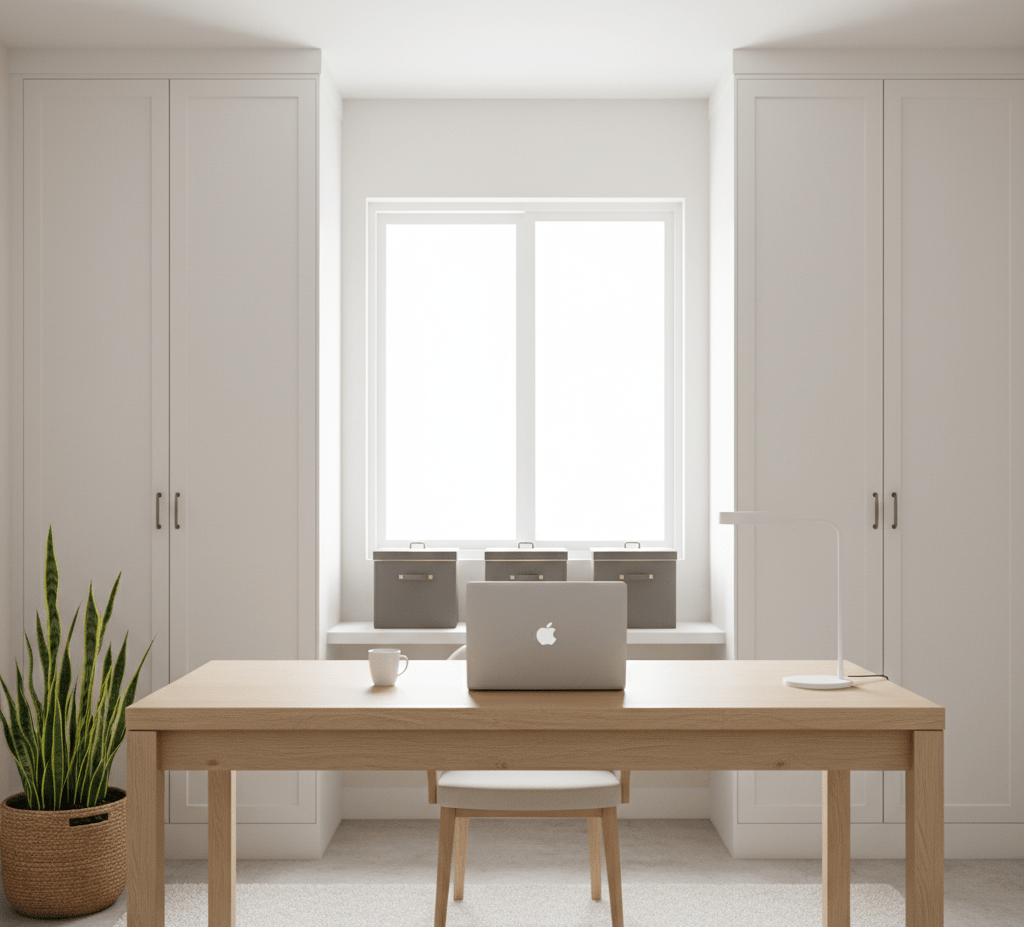
Ladybugs need calm, clean surfaces to think clearly. Visual clutter creates mental noise, so they naturally prioritize appearance over storage complexity.
At first glance, a Ladybug workspace looks perfectly organized. Clean desk. Minimal distractions. Everything feels intentional.
But behind the scenes, storage spaces often tell a different story.
The real challenge is not tidiness. It is hidden accumulation.
What works for Ladybugs
- Closed storage systems with labeled containers
- Weekly micro resets for hidden spaces
- Drawer dividers to prevent internal chaos
Where things break down
When storage becomes “out of sight, out of mind,” clutter quietly builds up until it disrupts the system.
Practical insight
Ladybugs succeed when they treat storage as seriously as surfaces.
The Bee Organizing Style
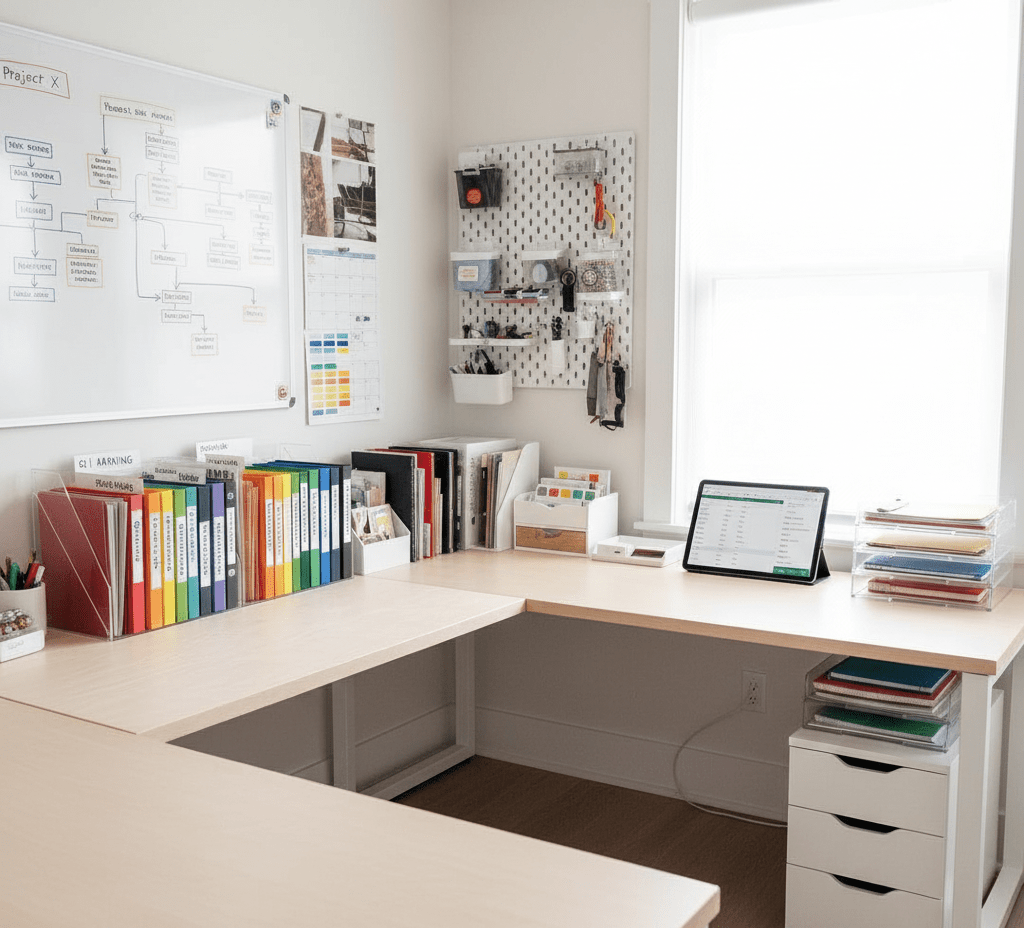
Bees love structure. They build systems for everything, from color-coded folders to multi-step workflows.
This makes them incredibly productive, until the system becomes the work itself.
Bees often fall into what looks like “organization perfectionism.” Instead of completing tasks, they refine the system supporting the tasks.
What works for Bees
- Limited toolset (fewer apps, fewer systems)
- Repeatable workflows
- Modular storage that scales
Where things break down
Overengineering. When systems become too detailed, maintenance fatigue sets in.
Practical insight
Bees do best when they optimize for execution, not elegance.
The Cricket Organizing Style
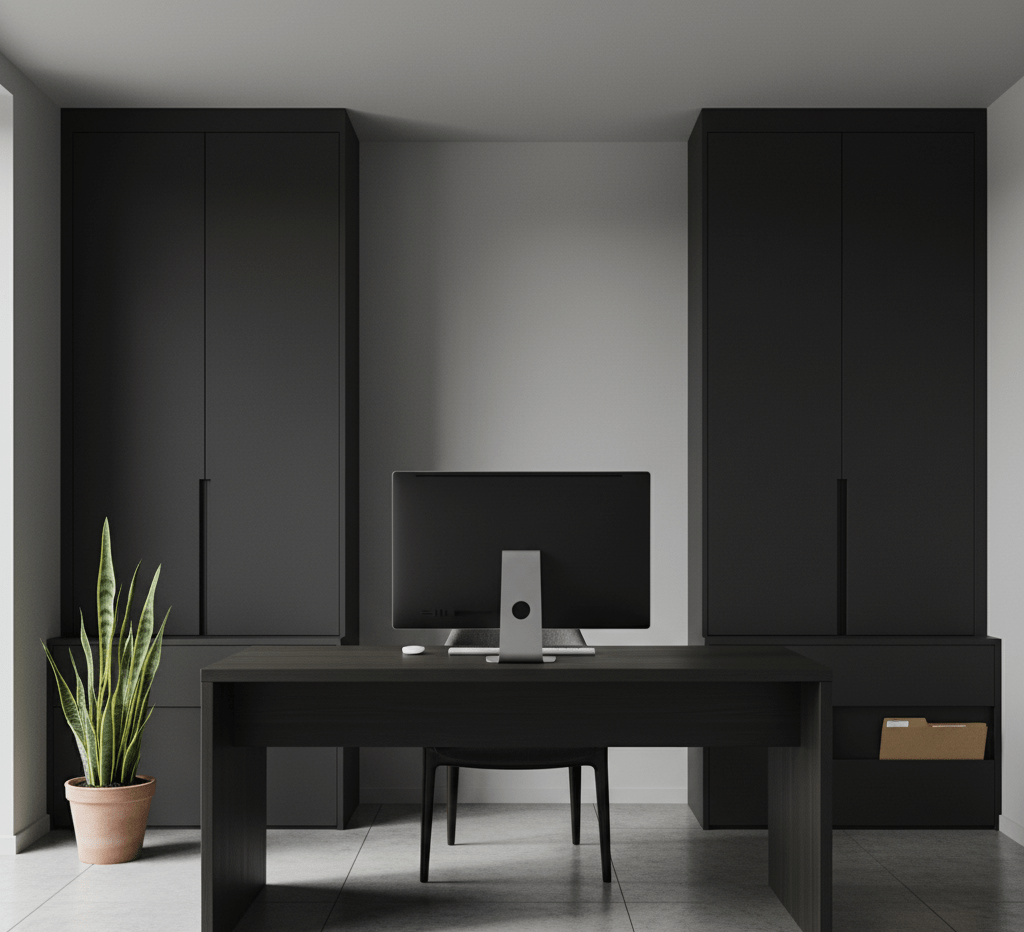
Crickets are efficient. They do not tolerate unnecessary clutter and often remember exactly where things belong.
Their systems are highly logical but deeply personal.
The problem appears when other people enter their system.
What makes sense to a Cricket often feels unintuitive to others.
What works for Crickets
- Simple labeling systems
- Periodic audits of storage zones
- Digital documentation for repeat processes
Where things break down
Isolation of logic. If the system is too personal, it becomes fragile in shared environments.
Practical insight
Crickets need clarity that survives outside their own memory.
The Butterfly Organizing Style

Butterflies think visually. If they cannot see something, it effectively does not exist.
This makes open shelving, visible storage, and accessible layouts essential.
However, this same strength can quickly turn into visual overload.
What works for Butterflies
- Clear bins and visible categorization
- Color-coded groupings
- Weekly reset routines
Where things break down
Inspiration overload. Too many visible items create cognitive clutter.
Practical insight
Butterflies need structure that still stays visible.
Why Most Decluttering Systems Fail
Most decluttering systems fail because they prioritize aesthetics or universal rules instead of individual cognitive behavior
A perfectly organized system that does not match your thinking style will always degrade over time.
Here is the pattern most people experience:
- Motivation spike
- Full reorganization
- Temporary success
- System fatigue
- Gradual return of clutter
The issue is not discipline. It is design mismatch.
How to Apply Your Organizing Style
Use this quick alignment checklist:
| Style | Best Strategy | Avoid |
|---|---|---|
| Ladybug | Clean surfaces, hidden structure | Open clutter storage |
| Bee | Simplified systems | Overplanning tools |
| Cricket | Logical labeling | Overcomplicated shared systems |
| Butterfly | Visible organization | Closed storage dependency |
Real Example
A remote marketing consultant in Texas struggled with constant desk resets. She tried minimalist systems, digital tools, and storage hacks.
Nothing stuck.
Once she shifted to a Butterfly-style setup using visible labeled bins and color-coded project zones, her workspace stabilized within two weeks.
Same person. Different system. Different outcome.
FAQs
What is the best organizing style for productivity?
There is no universal best style. Productivity increases when your system matches your cognitive preferences.
Can I have more than one organizing style?
Yes. Most people are hybrids, but one style is usually dominant.
Why do organizing systems stop working over time?
Because they are built around aesthetics or trends instead of behavior patterns.
Is minimalism better for everyone?
No. Some people function better with visible organization rather than minimal environments.
You Might Also Enjoy:






Leave a comment