Social media is no longer just personal.
It is part of your professional identity.
Before hiring you, many employers may review your online presence to understand how you communicate, what you share, and whether you present yourself professionally.
This means your social media can influence your career opportunities before you even get an interview.
Learning how to use social media professionally helps you:
- Avoid costly mistakes
- Build a strong personal brand
- Protect your career reputation
- Improve job opportunities
This guide shows you exactly how to do it step by step.
What Does It Mean to Use Social Media Professionally?
Using social media professionally means managing your online presence in a way that supports your career.
It includes:
- Posting content that reflects good judgment
- Avoiding unprofessional or harmful content
- Communicating respectfully online
- Building a consistent personal brand
In simple terms, it means treating your social media like part of your resume.
Why Social Media Can Impact Your Career
Employers often review online profiles during hiring to evaluate professionalism, communication style, and cultural fit.
Your social media may influence:
- Hiring decisions
- Promotion opportunities
- Professional reputation
- Networking success
Even content you posted years ago may still be visible or searchable.
What Employers Look For on Social Media
Many people assume employers are only looking for red flags.
They also look for positive signals.
Green Flags
Employers may notice:
- Strong communication skills
- Professional maturity
- Industry engagement
- Evidence of curiosity and growth
- Thoughtful LinkedIn activity
- Community involvement
- Positive personal branding
These can help you stand out.
Social Media Red Flags That Can Hurt Your Career
Common issues that raise concerns include:
- Complaining about employers
- Offensive jokes or comments
- Public online arguments
- Inappropriate photos
- Harassment or hostility
- Dishonesty or content contradicting your resume
- Oversharing personal drama
Many candidates underestimate how much these matter.
How to Use Social Media Professionally
1. Audit Your Digital Footprint First
Before improving your presence, see what already exists.
Search:
- Your full name
- Your name + city
- Your name + profession
Review:
- Search results
- Images
- Old profiles
- Tagged content
- Outdated information
Set up Google Alerts for your name.
Professional reputation management starts with awareness.
2. Treat Social Media as Part of Your Personal Brand
Everything online communicates something.
Your:
- Posts
- Comments
- Likes
- Bio
- Profile photos
- Shared content
All contribute to your professional identity.
Ask:
What does my online presence say about me?
Be intentional.
3. Use a Professional Profile Photo
A strong profile photo should be:
- Clear
- Friendly
- Current
- Professional
This matters especially on LinkedIn.
First impressions happen fast.
4. Clean Up Old Content
Review old content and remove:
- Party photos
- Offensive humor
- Emotional rants
- Complaints about work
- Old immature usernames
- Content that no longer reflects who you are
Also review tagged photos.
People forget those.
5. Think Before You Post
Before posting, ask:
- Would I be comfortable with a recruiter seeing this?
- Could this be misunderstood?
- Would I want this attached to my name years from now?
If not, reconsider.
This simple filter protects careers.
6. Be Professional in Comments and Likes
This is often overlooked.
Comments and interactions can matter as much as posts.
Avoid:
- Reactive arguments
- Public hostility
- Aggressive debate threads
- Engaging with toxic content
Professionalism includes how you interact.
7. Never Vent About Work Online
Complaining publicly about jobs, managers, or coworkers is one of the fastest ways to damage trust.
Keep frustrations offline.
Protect your reputation.
8. Build a Strong LinkedIn Presence
LinkedIn is one of the best platforms for professional growth.
Optimize:
- Headline
- Summary
- Experience
- Skills
- Recommendations
Then use it.
Post:
- Industry insights
- Lessons learned
- Career reflections
- Helpful resources
LinkedIn is not just a resume.
It is a visibility tool.
9. Use Social Media to Build Authority
Most advice focuses on what not to do.
This is where opportunity lives.
Use social media to:
- Share expertise
- Join industry conversations
- Network
- Demonstrate thought leadership
- Grow credibility
This is how social media helps careers.
10. Separate Personal and Professional Content When Needed
Consider:
- Private personal accounts
- Public professional accounts
- Different content strategies for each
Boundaries help.
11. Assume Everything Online Is Permanent
Deleted does not always mean gone.
Content can live through:
- Screenshots
- Search caches
- Archives
- Shared copies
Post as if everything is permanent.
Because often it is.
Professional Social Media Tips by Platform
Best for:
- Networking
- Personal branding
- Industry visibility
Post regularly and engage thoughtfully.
Use professionally by sharing:
- Career moments
- Learning
- Thought leadership
- Behind-the-scenes professional content
Or keep it private.
Just be intentional.
X
Great for:
- Industry commentary
- Networking
- Ideas
Avoid emotional posting.
TikTok
Underrated for professional branding.
Use it for:
- Education
- Tips
- Career advice
- Skill demonstration
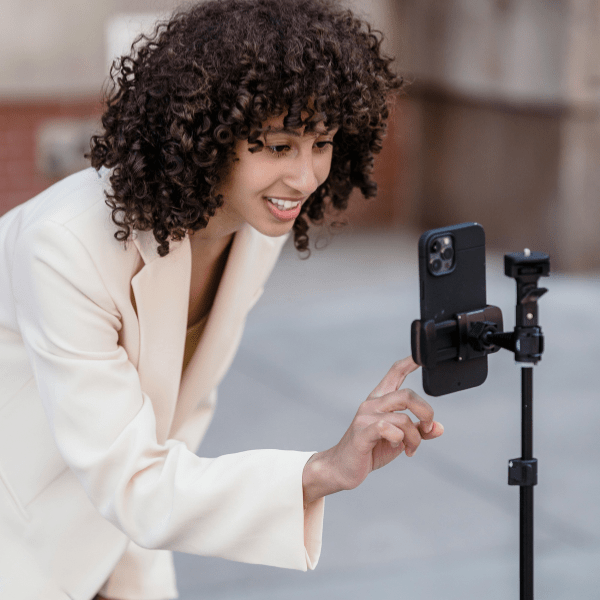
Professionals increasingly use short-form video for authority building.
Common Social Media Mistakes Professionals Make
Avoid these:
- Posting while angry
- Forgetting old content exists
- Ignoring tagged photos
- Unprofessional bios
- Treating likes as invisible
- Oversharing personal conflicts
- Neglecting LinkedIn
- Assuming privacy settings solve everything
Small mistakes create big perception issues.
Frequently Asked Questions
Do employers check social media before hiring?
Many do. Social screening often forms part of broader candidate evaluation.
Can social media hurt your career?
Yes. Unprofessional online behavior can affect opportunities.
Can social media help you get hired?
Absolutely.
A strong online presence can strengthen credibility and visibility.
Should professionals be on social media?
Yes.
Used well, it can support networking, reputation, and growth.
Learning how to use social media professionally and protect your career is not about hiding your personality.
It is about using judgment.
Your online presence is part of your reputation.
Manage it with intention.
Because increasingly, your career and your digital presence are connected.
You Might Also Enjoy:


 EA and Beyond
Leave a comment